Home · Percidae · Pikeperch
Pikeperch (Sander lucioperca) — Percidae

Pikeperch

Sander lucioperca
Family: Percidae
LC · Least Concern
NativeIntroduced

The Pikeperch (Sander lucioperca) is a freshwater fish of the family Percidae that grows up to 100 cm.

Length
100 cm
Water
Freshwater
Depth
2–30 m
Diet
Carnivore
Behaviour
Small groups
Activity
Crepuscular
Body shape
Torpedo-shaped
Substrate
Open water
Danger
Harmless
Range
Originally in fresh and brackish water of Central and Eastern Europe; widely introduced for fisheries, including in Western Europe.
Edibility
Highly prized

Want the complete picture on the Pikeperch?

Description

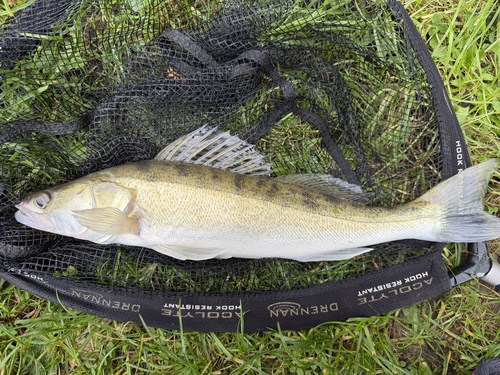
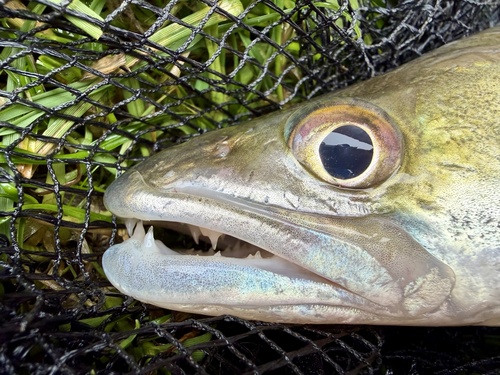
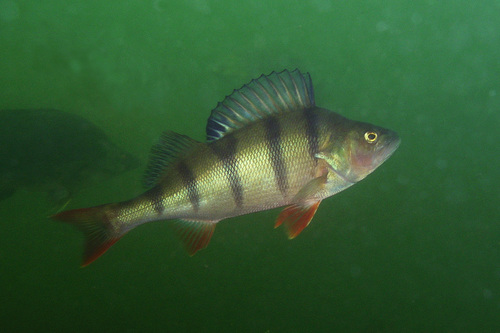
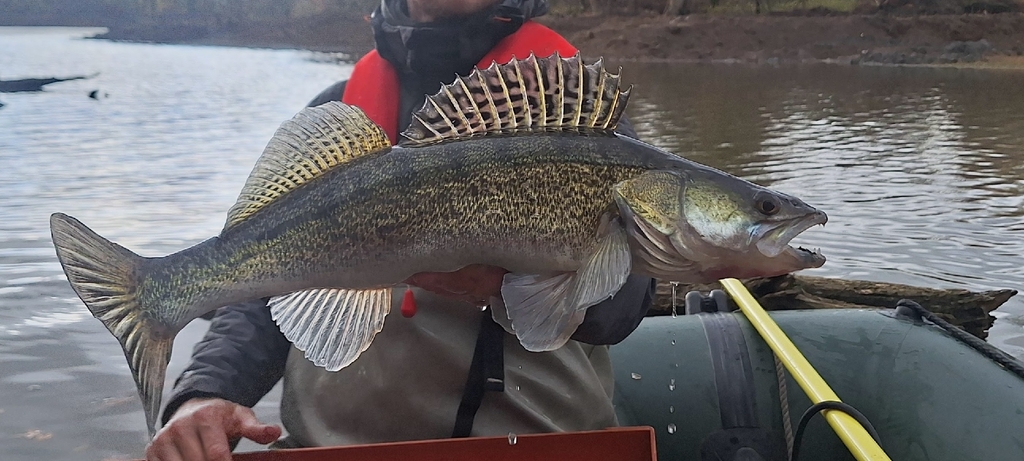
The pikeperch is a slender predator of the family Percidae reaching about 1 metre. It combines features of perch and pike: a perch-like spiny first dorsal fin and an elongate, grey-green body with faint dark bars, but also pike-like canine teeth. The large, glassy reflective eyes are adapted to hunting in turbid and dark water. The species is native to central and eastern Europe but has been widely stocked for fisheries and is common in western European rivers, lakes and canals, including slightly brackish water. At dusk it hunts small schooling fish. The pikeperch is one of the most prized sport and food fish of fresh water.

Frequently asked questions

How do you recognise the Pikeperch?

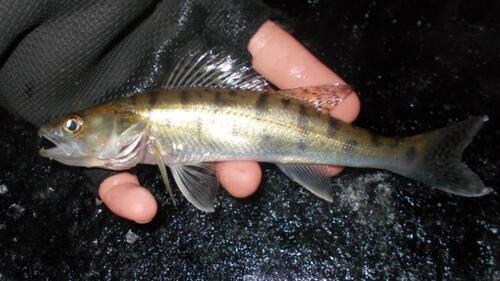
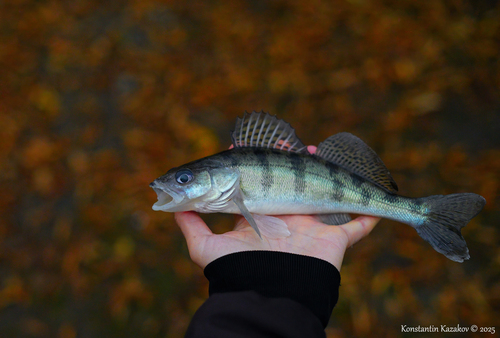
The Pikeperch has a torpedo-shaped body, is mainly green and shows a vertical stripes pattern. Slender predator with a perch-like spiny fin and pike-like canine teeth; the large, glassy reflecting eyes are adapted to hunting in turbid and dark water.

Where does the Pikeperch live?

The Pikeperch lives in fresh water and is mostly found around open water. Originally in fresh and brackish water of Central and Eastern Europe; widely introduced for fisheries, including in Western Europe.

How big does the Pikeperch get?

The Pikeperch grows to a maximum of about 100 cm. On average the species is around 50 cm.

Is the Pikeperch dangerous to humans?

No, the Pikeperch is harmless to humans. None required: this species is harmless to humans.

Is the Pikeperch edible?

Yes, the Pikeperch is a highly prized food fish.

More photos
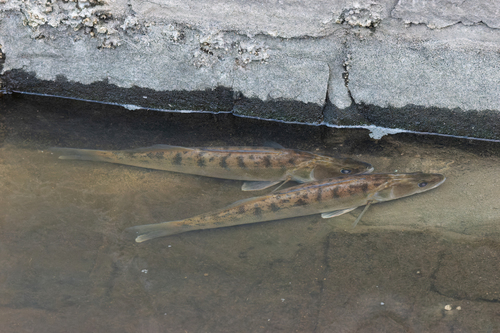
Pikeperch (Sander lucioperca) — Percidae — 2
iNaturalist ((c) Tomas Broucek, some rights reserved (CC BY))
Pikeperch (Sander lucioperca) — Percidae — 3
iNaturalist ((c) leighclifton, some rights reserved (CC BY-NC))
Pikeperch (Sander lucioperca) — Percidae — 4
iNaturalist ((c) leighclifton, some rights reserved (CC BY-NC))
Pikeperch (Sander lucioperca) — Percidae — 5
iNaturalist ((c) Maxfield JonasKrueger, some rights reserved (CC BY-NC))

Easily confused with

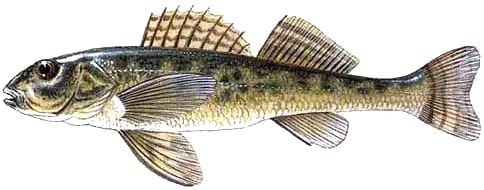
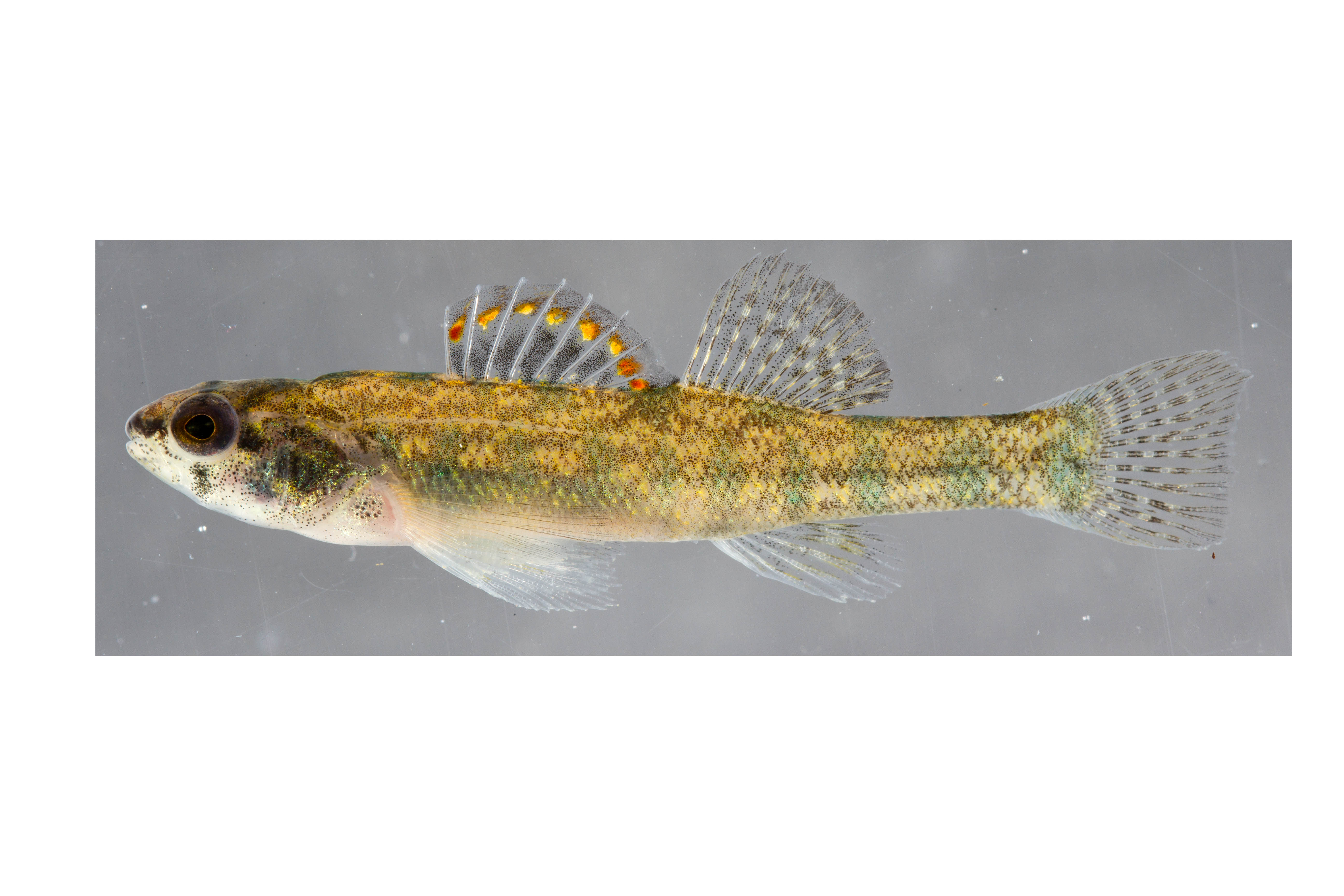
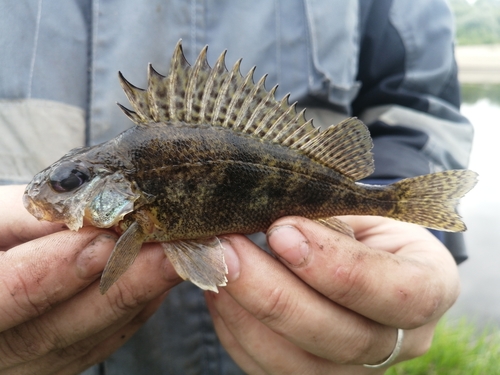
These species look like the Pikeperch and live in the same waters.
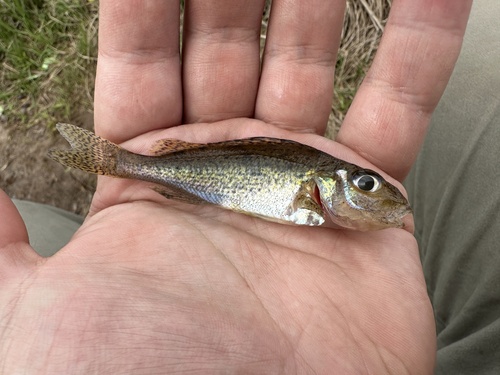
Want the complete picture on the Pikeperch?

Point your camera at the fish and Fin names the species in seconds. Free, and the Pikeperch is one of 12,519 species in the app.

All data

Identification

English name
Pikeperch verified
Scientific name
Sander lucioperca
Family
Percidae
Other names
Perch-pike; Pikeperch; Pike-perch; Zander; European pike-perch verified

Appearance

Size class
Extra large verified
Max length (cm)
100 verified
Average length (cm)
50 verified
Body shape
Torpedo-shaped sourced
Dominant colour
Green sourced
Pattern
Vertical bars sourced
Tail shape
Forked
Mouth position
Terminal
Lips
Thin
Barbels
No verified
Dorsal fins
Two separate sourced
Dorsal spines
Yes verified

Habitat & distribution

Water type
Freshwater verified
Substrate
Open water sourced
Min depth (m)
2 verified
Max depth (m)
30 verified
Natural range
Originally in fresh and brackish water of Central and Eastern Europe; widely introduced for fisheries, including in Western Europe. verified
Origin
Non-native (invasive) verified

Behaviour & biology

Diet
Carnivore verified
Diet (detail)
Small schooling fishes such as smelt, ruffe and young bream sourced
Social behaviour
Small groups verified
Territorial
No verified
Activity
Crepuscular
Reproduction
Separate sexes verified
Sexual dimorphism
No verified
Max. age (years)
17 verified
Seasonality
Spawns in spring; the male makes a nest on a hard surface and fiercely guards the eggs and larvae. sourced
Special features
Slender predator with a perch-like spiny fin and pike-like canine teeth; the large, glassy reflecting eyes are adapted to hunting in turbid and dark water. sourced

For anglers

Edibility
Highly prized verified
Fishing method
Very popular: vertical jigging, drop-shotting and spinning with shads, or fishing with a live or dead baitfish, especially at dusk sourced
Regulations source

Safety

Danger to humans
Harmless verified
First aid
None required: this species is harmless to humans. sourced

Status & sources

Sources
FishBase via GBIF (DwC-A), CC-BY-NC 4.0

Same genus Sander

More from the family Percidae

Want the complete picture on the Pikeperch?

Point your camera at the fish and Fin names the species in seconds. Free, and the Pikeperch is one of 12,519 species in the app.

Is this the Pikeperch?