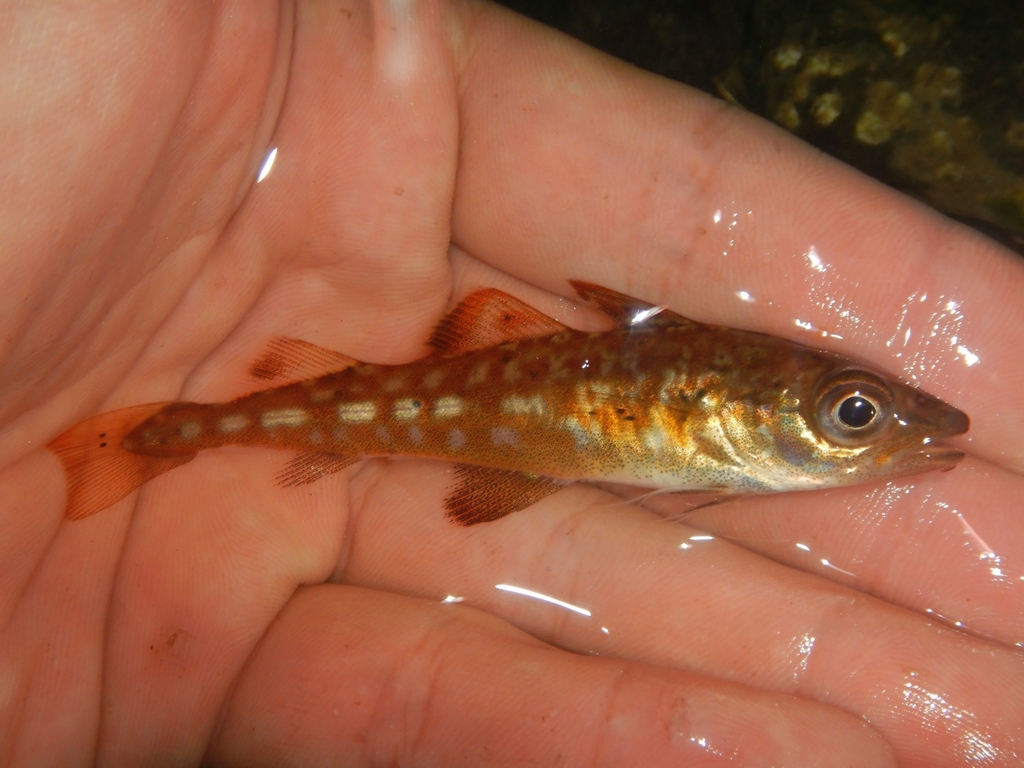
The Atlantic cod (Gadus morhua) is a brackish-water fish of the family Gadidae that grows up to 200 cm.
Description
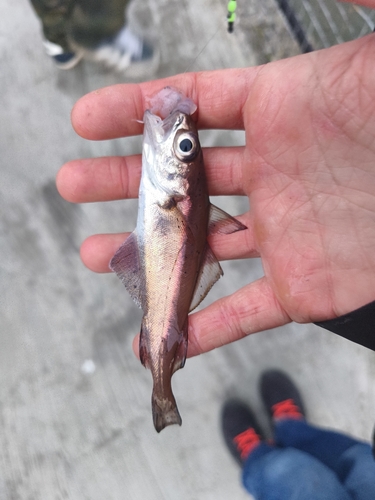
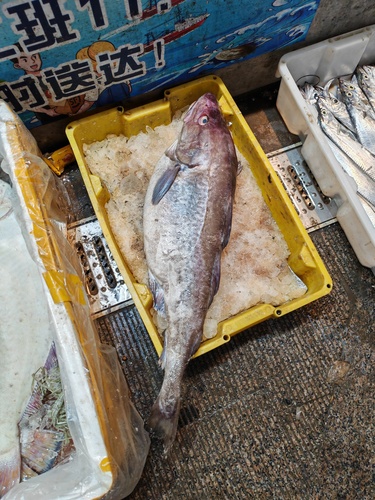
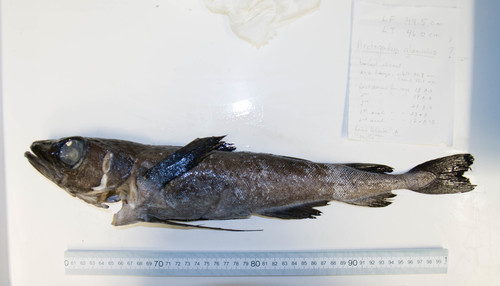
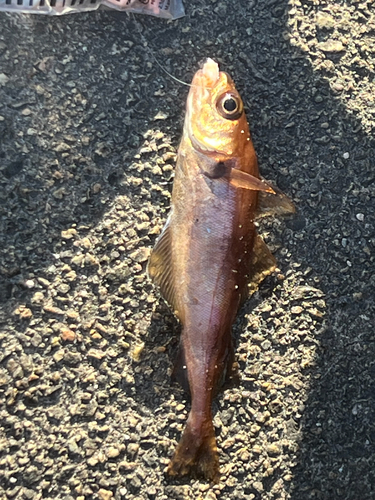
Atlantic cod is a large predator of the family Gadidae that can exceptionally reach 200 cm. The body is brown to greenish with many dark speckles, a pale curved lateral line and a prominent chin barbel. Three dorsal fins and two anal fins are characteristic. The species lives near the bottom of the northern Atlantic and the North Sea, hunting invertebrates and fish, including juvenile cod, mainly at dawn and dusk. Cod spawn large numbers of pelagic eggs in winter and early spring. Because of heavy overfishing the species is listed as Vulnerable on the IUCN Red List.
Frequently asked questions
How do you recognise the Atlantic cod?
The Atlantic cod has a torpedo-shaped body, is mainly brown and shows a spots pattern.
Where does the Atlantic cod live?
The Atlantic cod lives in brackish water and is mostly found around mixed bottom.
How big does the Atlantic cod get?
The Atlantic cod grows to a maximum of about 200 cm. On average the species is around 100 cm.
Is the Atlantic cod dangerous to humans?
No, the Atlantic cod is harmless to humans.
Is the Atlantic cod edible?
Yes, the Atlantic cod is a highly prized food fish.
Download Fin's Fish Guide
Identify fish in seconds, log your catches and dives. Join the TestFlight beta.
All data
Identification
Appearance
Habitat & distribution
Behaviour & biology
For anglers
Safety
Status & sources
Same genus Gadus
More from the family Gadidae

Download Fin's Fish Guide
Identify fish in seconds, log your catches and dives. Join the TestFlight beta.