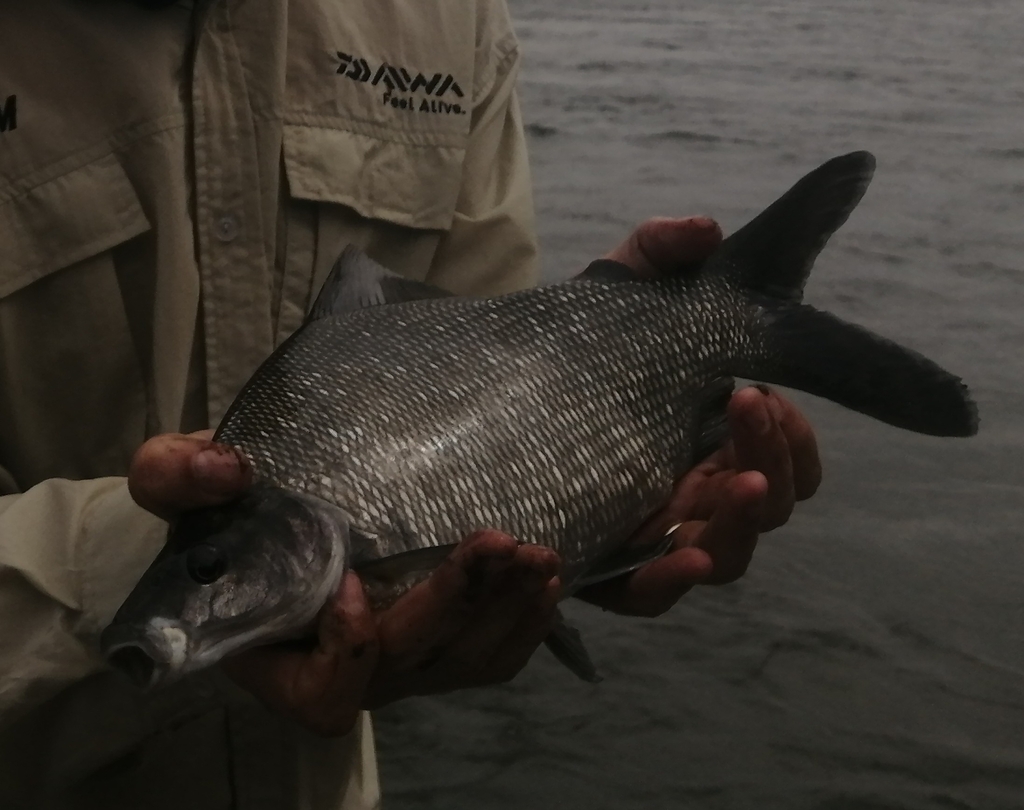
The Nkupe (Distichodus mossambicus) is a freshwater fish of the family Distichodontidae that grows up to 57 cm.
Description
The Mozambique distichodus is an African characin of the family Distichodontidae from southern and south-eastern Africa. The species grows to about 57 cm and has a deep, powerful, silvery body with a small head and a rounded snout. It inhabits both fast-flowing water and rapids and quiet, deep sandy or rocky pools of rivers. As a predominantly herbivorous fish it grazes water plants, algae and growth, but also eats insects, snails and small fishes. Distichodus species are robust river dwellers. The Mozambique distichodus is a locally valued food fish and is harmless to humans.
Frequently asked questions
How do you recognise the Nkupe?
The Nkupe has a torpedo-shaped body, is mainly silver-grey and shows a plain pattern.
Where does the Nkupe live?
The Nkupe lives in fresh water and is mostly found around open water.
How big does the Nkupe get?
The Nkupe grows to a maximum of about 57 cm.
Is the Nkupe dangerous to humans?
No, the Nkupe is harmless to humans.
Is the Nkupe edible?
Yes, the Nkupe is commonly eaten.
Download Fin's Fish Guide
Identify fish in seconds, log your catches and dives. Join the TestFlight beta.
All data
Identification
Appearance
Habitat & distribution
Behaviour & biology
For anglers
Safety
Status & sources
Same genus Distichodus

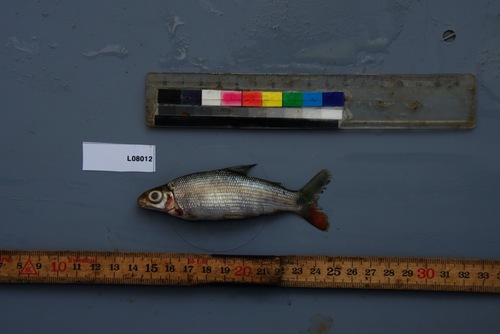
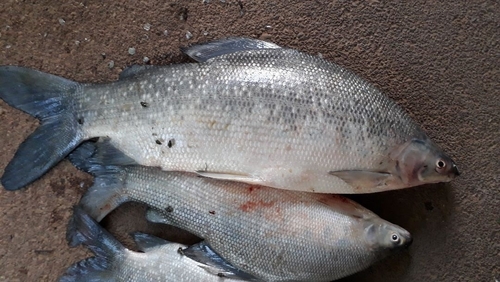
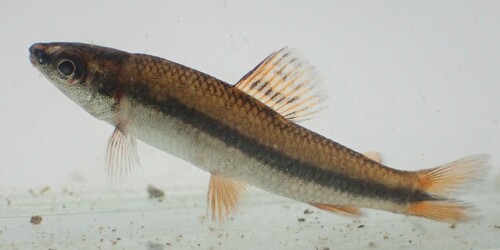
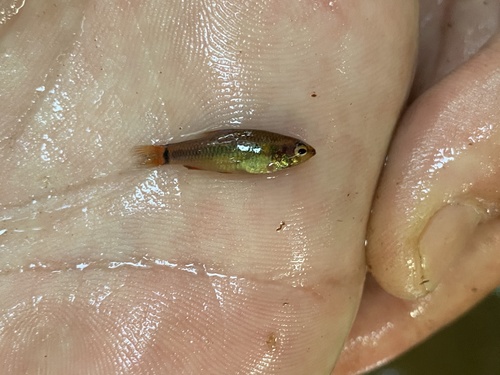
More from the family Distichodontidae


Download Fin's Fish Guide
Identify fish in seconds, log your catches and dives. Join the TestFlight beta.