Home · Labridae · Black-fish
Black-fish (Tautoga onitis) — Labridae

Black-fish

Tautoga onitis
Family: Labridae
VU · Vulnerable

The Black-fish (Tautoga onitis) is a brackish-water fish of the family Labridae that grows up to 91 cm.

Length
91 cm
Water
Brackish
Depth
1–75 m
Diet
Carnivore
Behaviour
Solitary
Activity
Diurnal
Body shape
Torpedo-shaped
Substrate
Stone or rock
Danger
Harmless
Range
Hard bottoms close inshore in the northwest Atlantic.
Edibility
Commonly eaten

Want the complete picture on the Black-fish?

Description

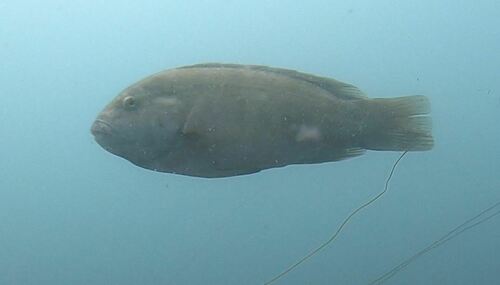
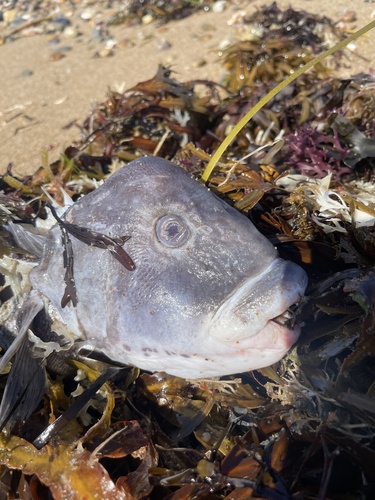
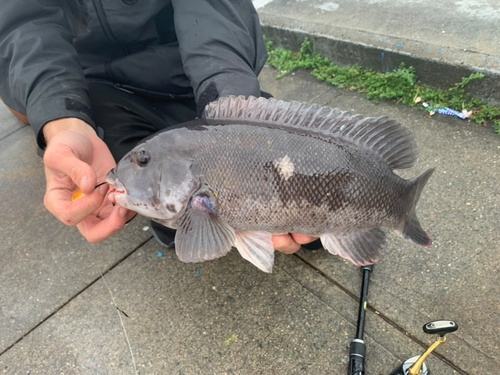
The tautog (Tautoga onitis), or blackfish, is a robust wrasse of the family Labridae from the northwestern Atlantic. The species has a stocky, dark grey-black, mottled body with a blunt head, thick lips and powerful teeth, and can reach about 90 cm. It lives close inshore on hard bottoms such as rocks, reefs and wrecks, and sometimes enters brackish water. Adult males are territorial during the day and rest in crevices at night. With its strong teeth and pharyngeal jaws it crushes shellfish such as mussels and crabs. The tautog is a prized sport fish but, owing to slow growth and fishing, is assessed as Vulnerable (VU).

Frequently asked questions

How do you recognise the Black-fish?

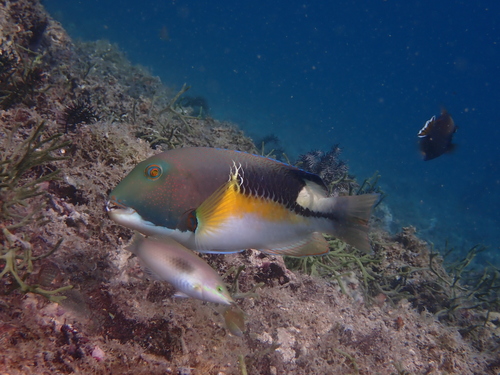
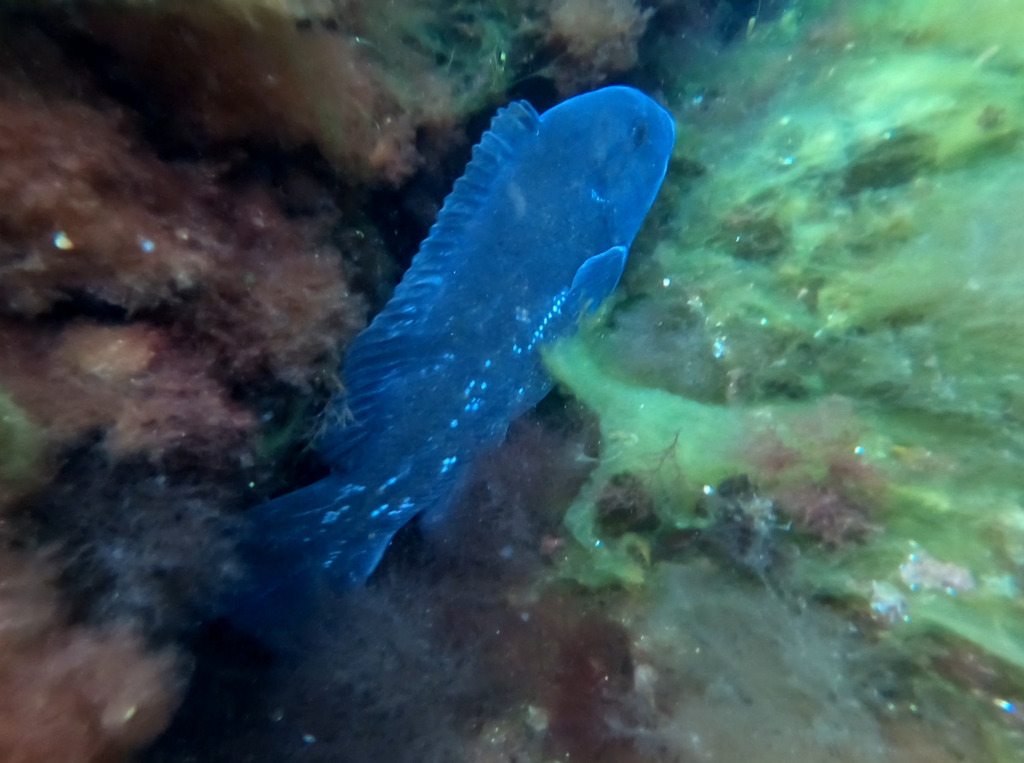
The Black-fish has a torpedo-shaped body, is mainly black and shows a marbled pattern. Blunt head, thick lips and powerful teeth to crack shellfish; sought-after sport fish (VU).

Where does the Black-fish live?

The Black-fish lives in brackish water and is mostly found around stony or rocky ground. Hard bottoms close inshore in the northwest Atlantic.

How big does the Black-fish get?

The Black-fish grows to a maximum of about 91 cm.

Is the Black-fish dangerous to humans?

No, the Black-fish is harmless to humans. This species is harmless to humans. No specific first aid is needed. Still handle the fish with care: mind the fin rays and the sharp edges of the gill cover, and rinse any scratch with clean water and cover it. For a dirty or deep wound check tetanus status.

Is the Black-fish edible?

Yes, the Black-fish is commonly eaten.

More photos
Black-fish (Tautoga onitis) — Labridae — 2
maxfish (CC BY-NC 4.0) via GBIF — iNaturalist
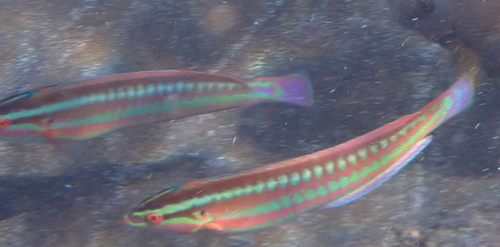
Black-fish (Tautoga onitis) — Labridae — 3
inbetweenbays (CC BY 4.0) via GBIF — iNaturalist
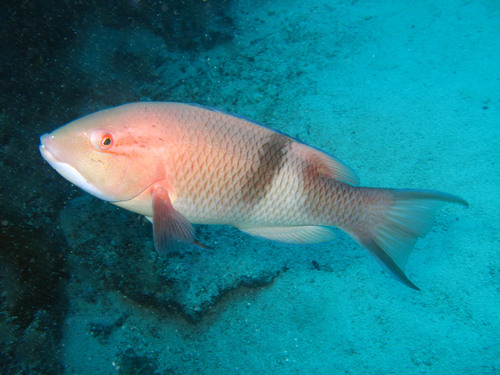
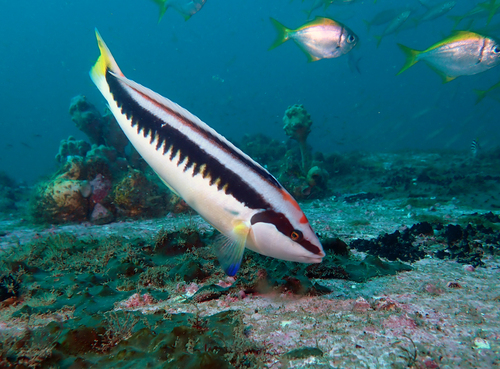
Black-fish (Tautoga onitis) — Labridae — 4
iNaturalist ((c) The Harbors Video Project, some rights reserved (CC BY-NC))
Black-fish (Tautoga onitis) — Labridae — 5
iNaturalist ((c) akq8, some rights reserved (CC BY-NC))

Want the complete picture on the Black-fish?

Point your camera at the fish and Fin names the species in seconds. Free, and the Black-fish is one of 12,519 species in the app.

All data

Identification

English name
Black-fish verified
Scientific name
Tautoga onitis
Family
Labridae
Other names
Tautog verified

Appearance

Size class
Extra large verified
Max length (cm)
91 verified
Body shape
Torpedo-shaped sourced
Dominant colour
Black
Pattern
Marbled
Tail shape
Straight
Mouth position
Terminal
Lips
Thick / fleshy
Barbels
No sourced
Dorsal fins
One continuous
Dorsal spines
Yes sourced

Habitat & distribution

Water type
Brackish sourced
Substrate
Stone or rock sourced
Min depth (m)
1 verified
Max depth (m)
75 verified
Natural range
Hard bottoms close inshore in the northwest Atlantic.
Origin
Native sourced

Behaviour & biology

Diet
Carnivore sourced
Diet (detail)
Shellfish, mussels and crabs sourced
Social behaviour
Solitary
Territorial
No
Activity
Diurnal
Reproduction
Separate sexes sourced
Sexual dimorphism
Yes
Max. age (years)
34 verified
Seasonality
Present year-round in its habitat; no pronounced seasonality known.
Special features
Blunt head, thick lips and powerful teeth to crack shellfish; sought-after sport fish (VU). sourced

For anglers

Edibility
Commonly eaten sourced
Fishing method
Bottom fishing with crab, mussel or shrimp as bait right over rocks, reefs and wrecks; requires a quick strike on the cautious bite. sourced
Regulations source

Safety

Danger to humans
Harmless sourced
First aid
This species is harmless to humans. No specific first aid is needed. Still handle the fish with care: mind the fin rays and the sharp edges of the gill cover, and rinse any scratch with clean water and cover it. For a dirty or deep wound check tetanus status. verified

Status & sources

Sources
FishBase via GBIF (DwC-A), CC-BY-NC 4.0

More from the family Labridae

Want the complete picture on the Black-fish?

Point your camera at the fish and Fin names the species in seconds. Free, and the Black-fish is one of 12,519 species in the app.

Is this the Black-fish?