Home · Neosebastidae · Bighead gurnard perch
Bighead gurnard perch (Neosebastes pandus) — Neosebastidae

Bighead gurnard perch

Neosebastes pandus
Family: Neosebastidae

The Bighead gurnard perch (Neosebastes pandus) is a saltwater fish of the family Neosebastidae that grows up to 50 cm.

Length
50 cm
Water
Saltwater
Depth
15–593 m
Diet
Carnivore
Behaviour
Solitary
Body shape
Flat / disc-shaped
Substrate
Stone or rock
Danger
Venomous
Range
Southern Australia; reefs and soft bottoms of coastal waters.
Edibility
Rarely eaten

Want the complete picture on the Bighead gurnard perch?

Description

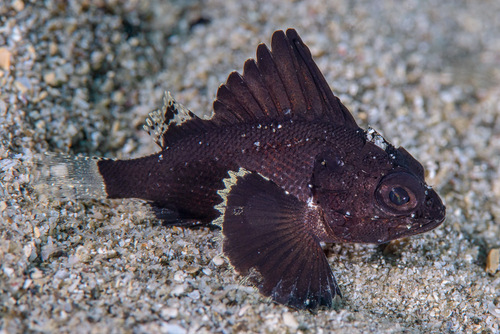
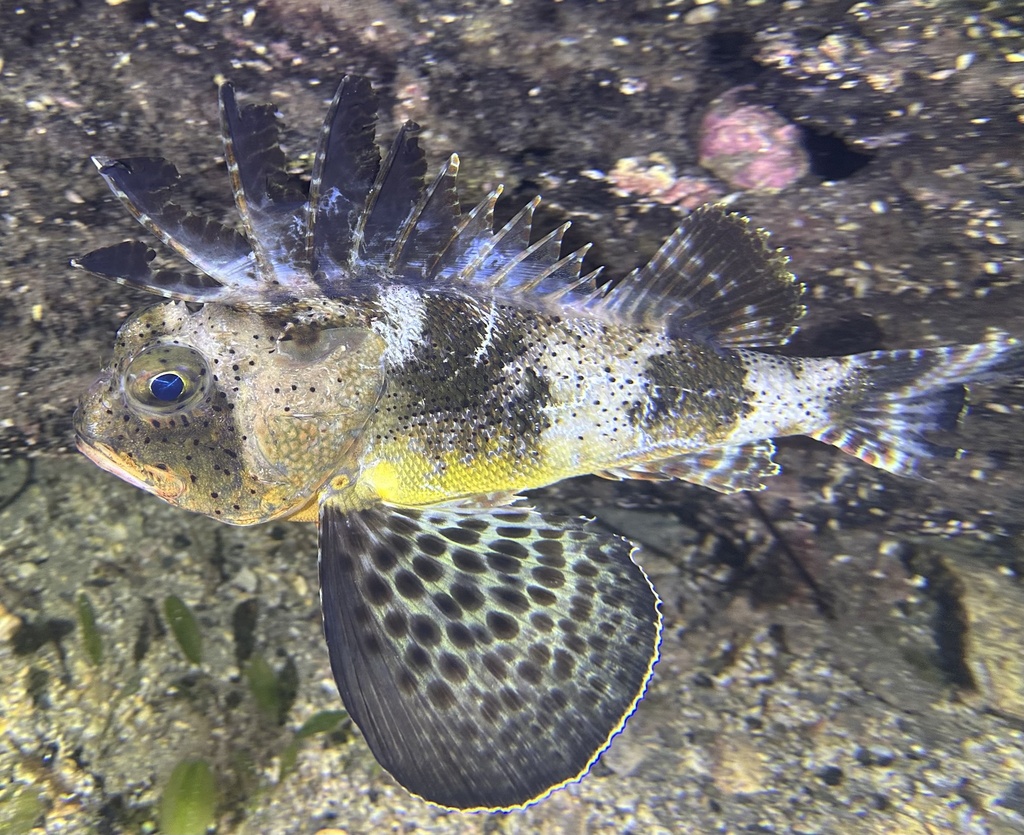
The bighead gurnard perch is a gurnard perch (Neosebastidae) from the waters around southern Australia. The species has a stocky, reddish body with a large head set with spines and ridges. It is a temperate species that lives inshore on reefs and on soft bottoms. As an ambush hunter it takes small fishes and crustaceans. The dorsal and head spines are venomous; a sting is very painful.

Frequently asked questions

How do you recognise the Bighead gurnard perch?

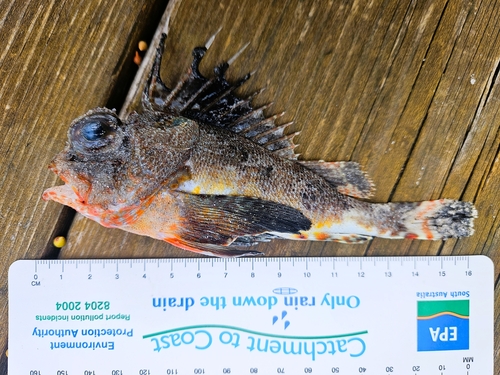
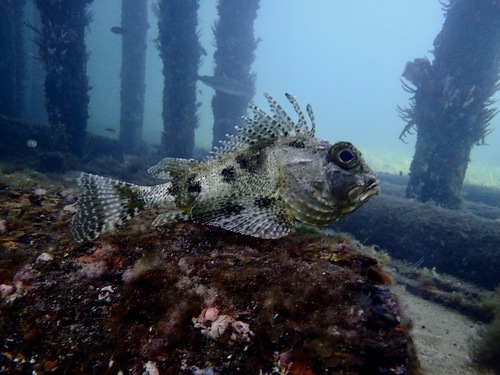
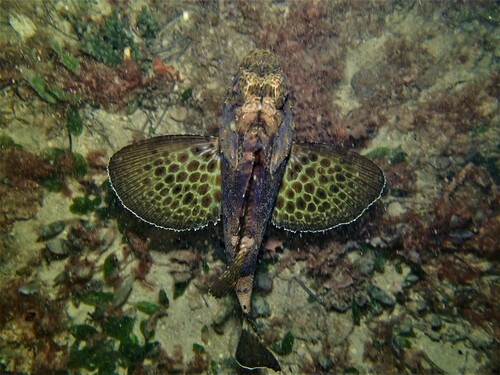
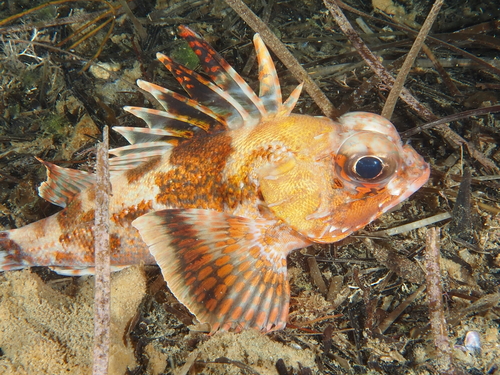
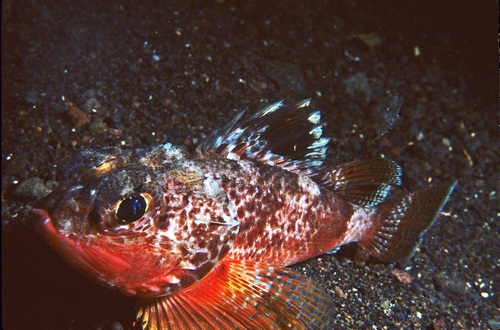
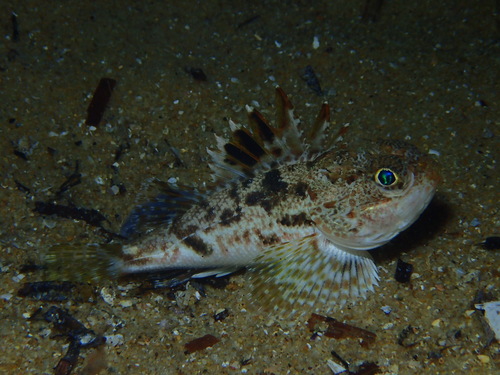
The Bighead gurnard perch has a flattened, disc-shaped body, is mainly red-orange and shows a spots pattern. Large, spiny head with venomous dorsal and head spines; bottom ambush predator of temperate reefs.

Where does the Bighead gurnard perch live?

The Bighead gurnard perch lives in the sea (marine waters) and is mostly found around stony or rocky ground. Southern Australia; reefs and soft bottoms of coastal waters.

How big does the Bighead gurnard perch get?

The Bighead gurnard perch grows to a maximum of about 50 cm.

Is the Bighead gurnard perch dangerous to humans?

The Bighead gurnard perch is venomous — handle spines with care and seek medical help after a sting if needed. If stung by a fin spine: immerse the affected part in water as hot as can be tolerated (about 45 degrees C) to break down the venom, and seek medical care for severe or persistent symptoms.

Is the Bighead gurnard perch edible?

The Bighead gurnard perch is rarely eaten.

More photos

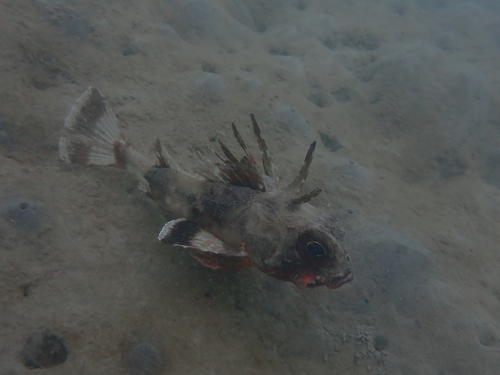
Bighead gurnard perch (Neosebastes pandus) — Neosebastidae — 2
Australian National Fish Collection, CSIRO (CC BY-NC 4.0) via GBIF
Bighead gurnard perch (Neosebastes pandus) — Neosebastidae — 3
iNaturalist ((c) David Spencer Muirhead, some rights reserved (CC BY-NC))
Bighead gurnard perch (Neosebastes pandus) — Neosebastidae — 4
iNaturalist ((c) Brenton Prigge, some rights reserved (CC BY-NC))
Bighead gurnard perch (Neosebastes pandus) — Neosebastidae — 5
iNaturalist ((c) J. Martin Crossley, some rights reserved (CC BY-NC-SA))

Want the complete picture on the Bighead gurnard perch?

Point your camera at the fish and Fin names the species in seconds. Free, and the Bighead gurnard perch is one of 12,519 species in the app.

All data

Identification

English name
Bighead gurnard perch verified
Scientific name
Neosebastes pandus
Family
Neosebastidae
Other names
Gurnard perch; Gurnard scorpionfish; Rough gurnard perch verified

Appearance

Size class
Large verified
Max length (cm)
50 verified
Body shape
Flat / disc-shaped sourced
Dominant colour
Red / orange
Pattern
Spots
Tail shape
Rounded
Mouth position
Superior (upward)
Lips
Thick / fleshy
Barbels
No sourced
Dorsal fins
One continuous
Dorsal spines
Yes sourced

Habitat & distribution

Water type
Saltwater sourced
Substrate
Stone or rock sourced
Min depth (m)
15 verified
Max depth (m)
593 verified
Natural range
Southern Australia; reefs and soft bottoms of coastal waters.
Origin
Native sourced

Behaviour & biology

Diet
Carnivore sourced
Diet (detail)
Small fishes and crustaceans sourced
Social behaviour
Solitary
Territorial
No
Reproduction
Separate sexes sourced
Sexual dimorphism
No
Seasonality
Present year-round in its habitat; no pronounced seasonality known.
Special features
Large, spiny head with venomous dorsal and head spines; bottom ambush predator of temperate reefs. sourced

For anglers

Edibility
Rarely eaten sourced
Fishing method
Fishing with natural bait (fish, shrimp, worm) or lures close to reef and rock structures.
Regulations source

Safety

Danger to humans
Venomous sourced
First aid
If stung by a fin spine: immerse the affected part in water as hot as can be tolerated (about 45 degrees C) to break down the venom, and seek medical care for severe or persistent symptoms. sourced

Status & sources

Sources
FishBase via GBIF (DwC-A), CC-BY-NC 4.0

Same genus Neosebastes

More from the family Neosebastidae
Want the complete picture on the Bighead gurnard perch?

Point your camera at the fish and Fin names the species in seconds. Free, and the Bighead gurnard perch is one of 12,519 species in the app.

Is this the Bighead gurnard perch?