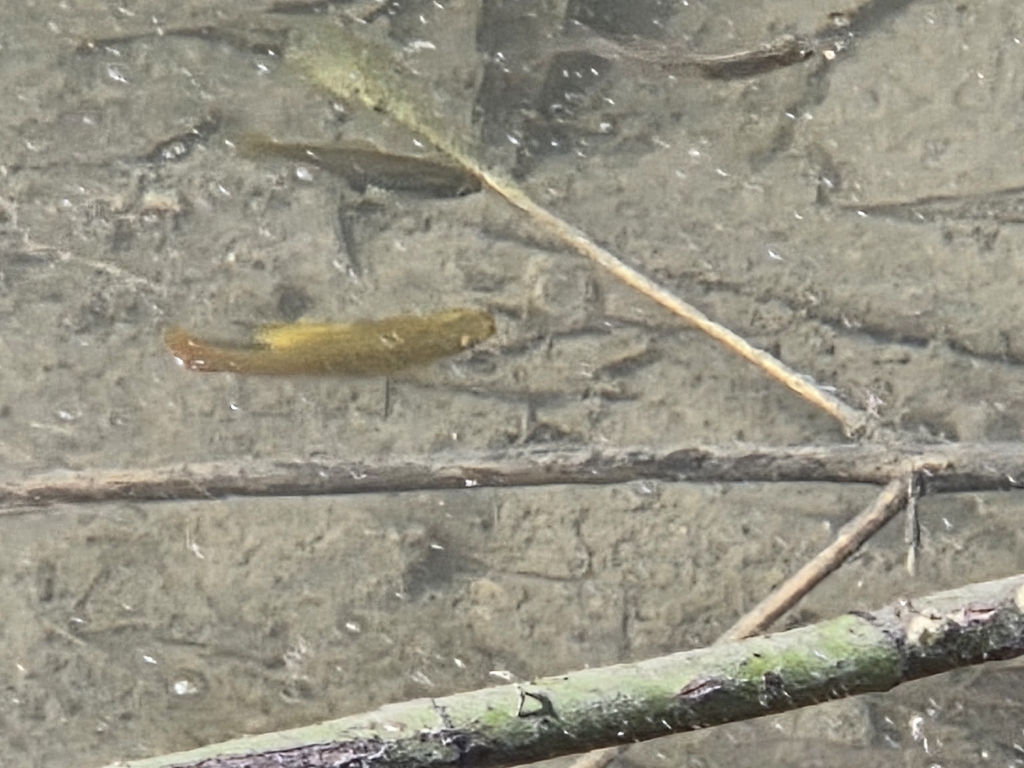
The Sunset platy (Xiphophorus variatus) is a freshwater fish of the family Poeciliidae that grows up to 7 cm.
Description
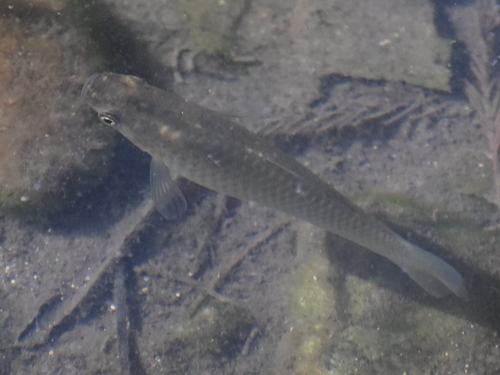
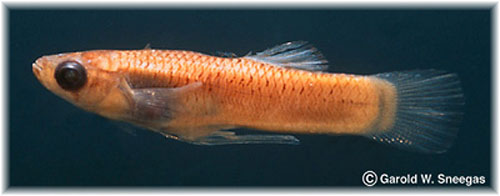
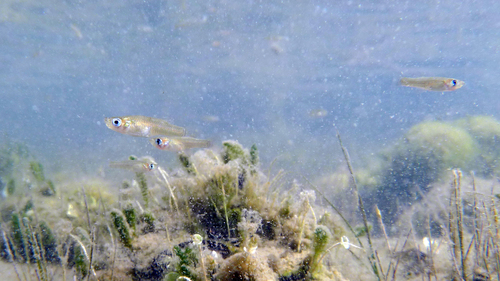
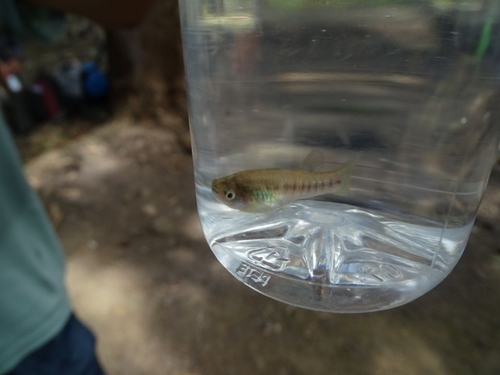
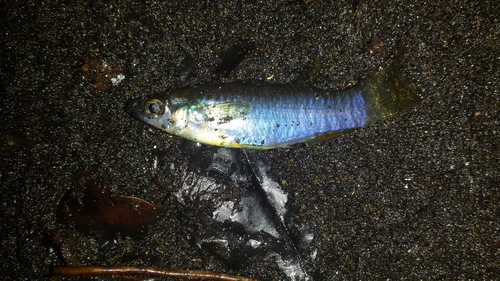
The variable platyfish (Xiphophorus variatus) is a popular livebearing fish of the family Poeciliidae from eastern Mexico. The wild form is olive, but the aquarium trade has countless bright red, yellow, orange and variegated cultivated forms, hence the name. The species reaches about 7 cm and shows sexual dimorphism; the male has an anal fin modified into a copulatory organ (gonopodium). It inhabits warm springs, vegetated canals and ditches with slow-moving water. As an omnivore it feeds on worms, crustaceans, insects and plant matter. The species is widely used in genetic research and is distributed worldwide in the aquarium trade.
Frequently asked questions
How do you recognise the Sunset platy?
The Sunset platy has a torpedo-shaped body, is mainly multicoloured and shows a spots pattern.
Where does the Sunset platy live?
The Sunset platy lives in fresh water and is mostly found around mixed bottom.
How big does the Sunset platy get?
The Sunset platy grows to a maximum of about 7 cm. On average the species is around 4 cm.
Is the Sunset platy dangerous to humans?
No, the Sunset platy is harmless to humans.
Is the Sunset platy edible?
Yes, the Sunset platy is commonly eaten.
Download Fin's Fish Guide
Identify fish in seconds, log your catches and dives. Join the TestFlight beta.
All data
Identification
Appearance
Habitat & distribution
Behaviour & biology
For anglers
Safety
Status & sources
Same genus Xiphophorus



More from the family Poeciliidae

Download Fin's Fish Guide
Identify fish in seconds, log your catches and dives. Join the TestFlight beta.