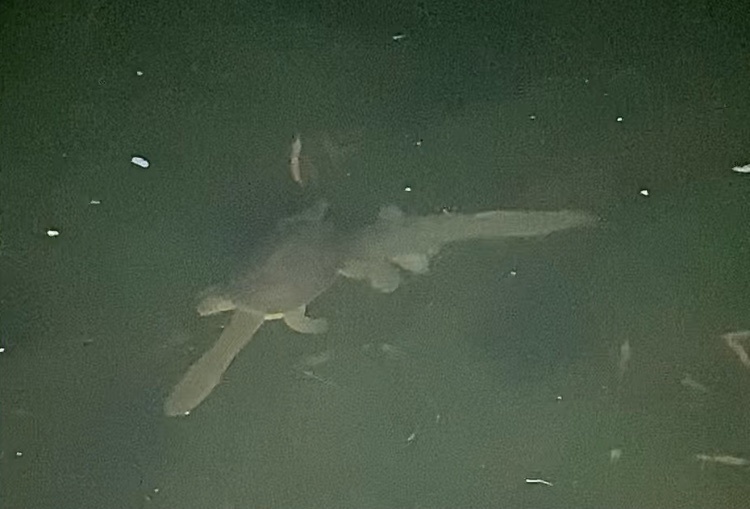
The Cobbler (Tandanus bostocki) is a freshwater fish of the family Plotosidae that grows up to 50 cm.
Description
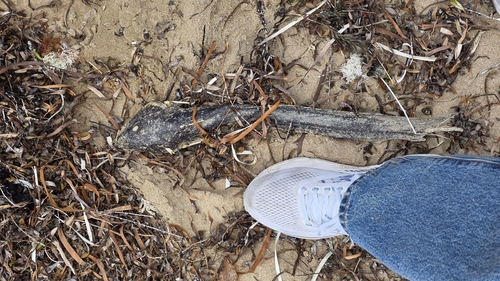
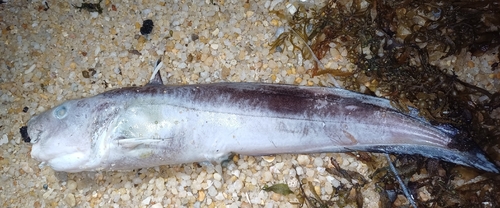
The freshwater cobbler is an eel-tailed catfish from fresh water of southwestern Australia. The species grows to about 50 cm and has an elongate body tapering backward into an eel-like, continuous fin margin, with barbels around the mouth. On the dorsal and pectoral fins it bears strong, venom-linked spines that can deliver an intense, painful sting. As a nocturnal bottom-dweller it builds a nest of pebbles and guards the eggs. It hunts crustaceans, molluscs and insect larvae. The IUCN assesses the species as Least Concern (LC).
Frequently asked questions
How do you recognise the Cobbler?
The Cobbler has an elongate, eel-like body, is mainly brown and shows a plain pattern.
Where does the Cobbler live?
The Cobbler lives in fresh water and is mostly found around sand or mud bottom.
How big does the Cobbler get?
The Cobbler grows to a maximum of about 50 cm. On average the species is around 25 cm.
Is the Cobbler dangerous to humans?
The Cobbler is venomous — handle spines with care and seek medical help after a sting if needed.
Is the Cobbler edible?
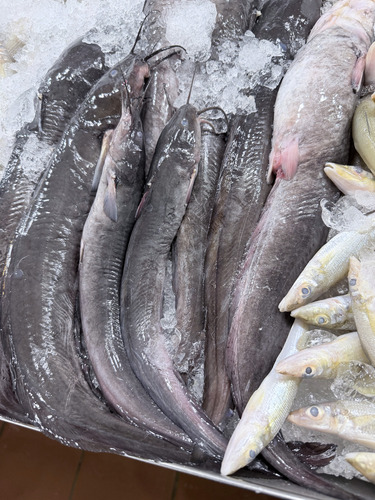
Yes, the Cobbler is commonly eaten.
Download Fin's Fish Guide
Identify fish in seconds, log your catches and dives. Join the TestFlight beta.
All data
Identification
Appearance
Habitat & distribution
Behaviour & biology
For anglers
Safety
Status & sources
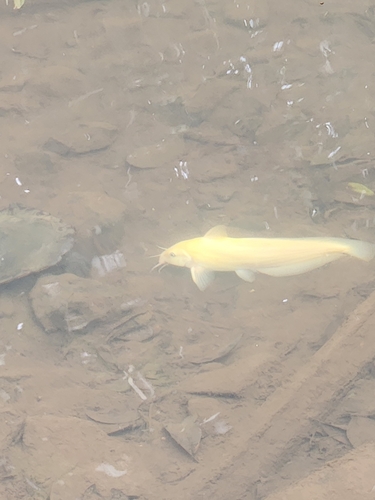
Same genus Tandanus
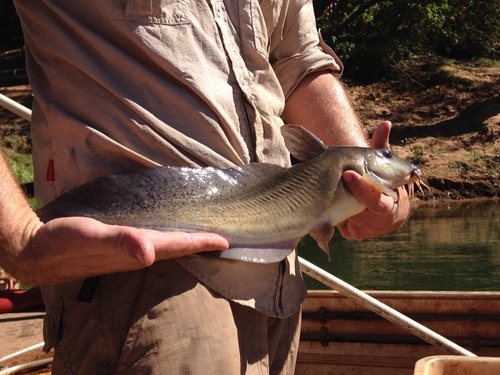
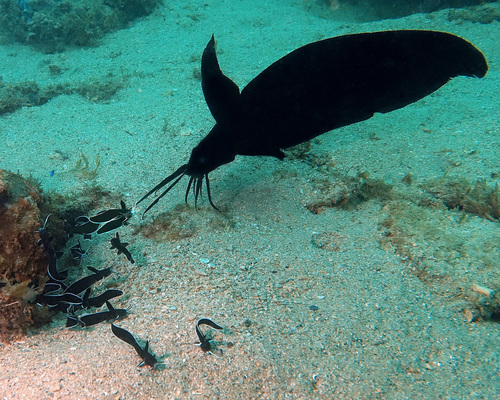
More from the family Plotosidae



Download Fin's Fish Guide
Identify fish in seconds, log your catches and dives. Join the TestFlight beta.