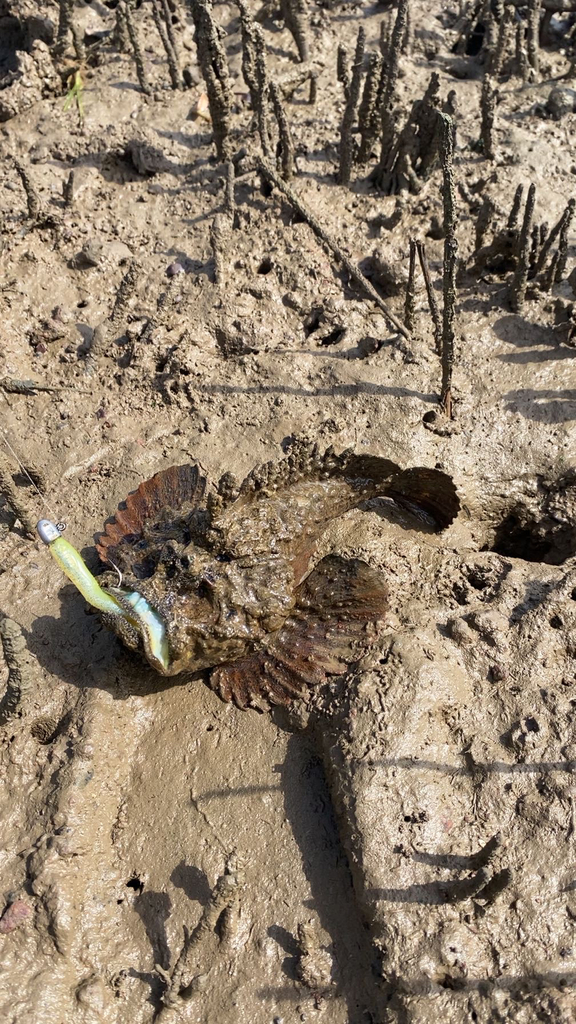
The Dornorn (Synanceia horrida) is a brackish-water fish of the family Synanceiidae that grows up to 60 cm.
Description
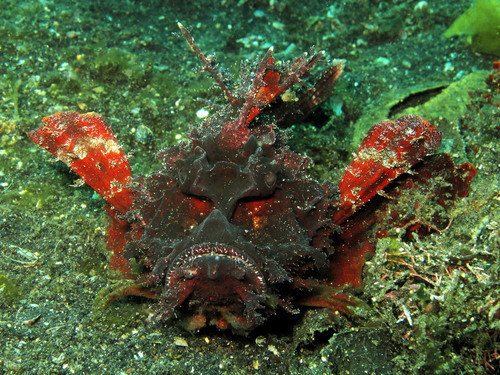
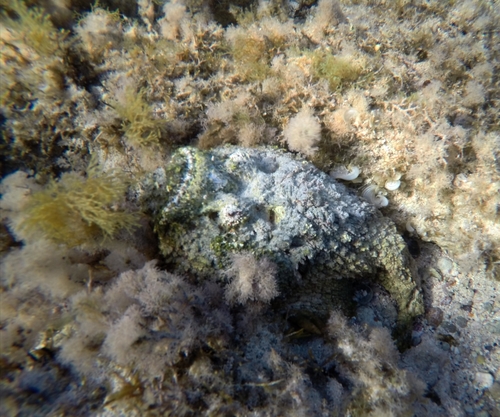
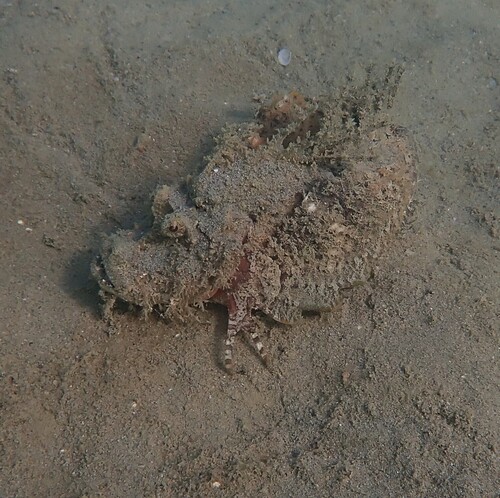
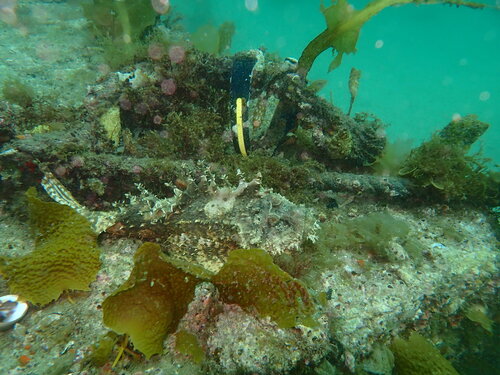
The estuarine stonefish is a stonefish (Synanceiidae) from the Indo-West Pacific and is one of the most venomous fishes in the world. The species has a stocky, warty body that looks like an algae-covered stone; it lies largely buried in sand or mud of coastal reefs and estuaries and is therefore hard to see. As an ambush hunter it swallows passing fishes and shrimps in a flash. The thirteen dorsal fin spines bear powerful venom glands; a sting - often from stepping on it - is extremely painful and can be fatal. Seek immediate medical help for a sting.
Frequently asked questions
How do you recognise the Dornorn?
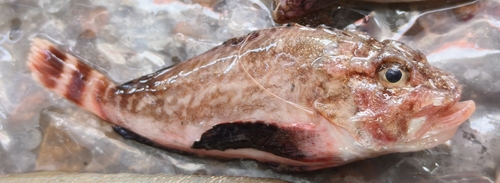
The Dornorn has a torpedo-shaped body, is mainly brown and shows a spots pattern.
Where does the Dornorn live?
The Dornorn lives in brackish water and is mostly found around stony or rocky ground.
How big does the Dornorn get?
The Dornorn grows to a maximum of about 60 cm.
Is the Dornorn dangerous to humans?
The Dornorn is venomous — handle spines with care and seek medical help after a sting if needed.
Is the Dornorn edible?
The Dornorn is rarely eaten.
Download Fin's Fish Guide
Identify fish in seconds, log your catches and dives. Join the TestFlight beta.
All data
Identification
Appearance
Habitat & distribution
Behaviour & biology
For anglers
Safety
Status & sources
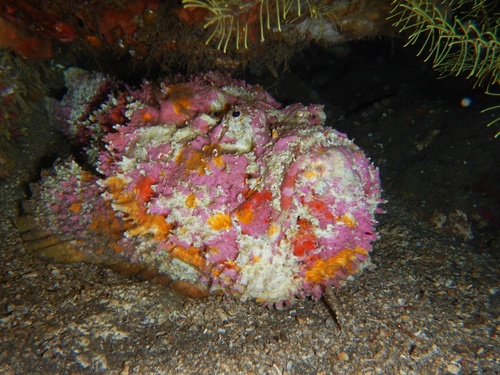
Same genus Synanceia
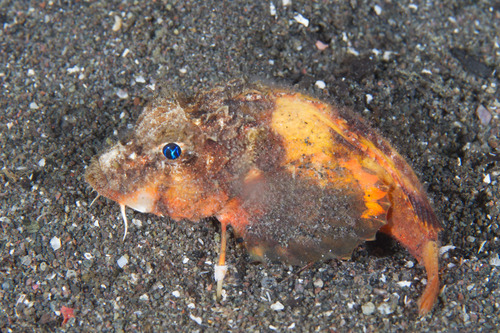
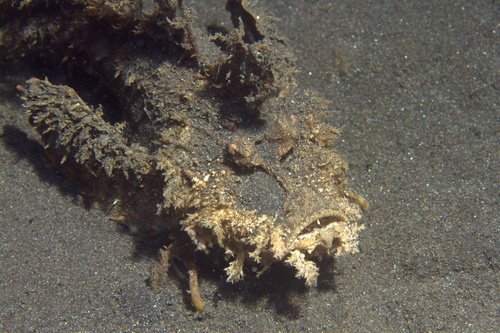
More from the family Synanceiidae

Download Fin's Fish Guide
Identify fish in seconds, log your catches and dives. Join the TestFlight beta.