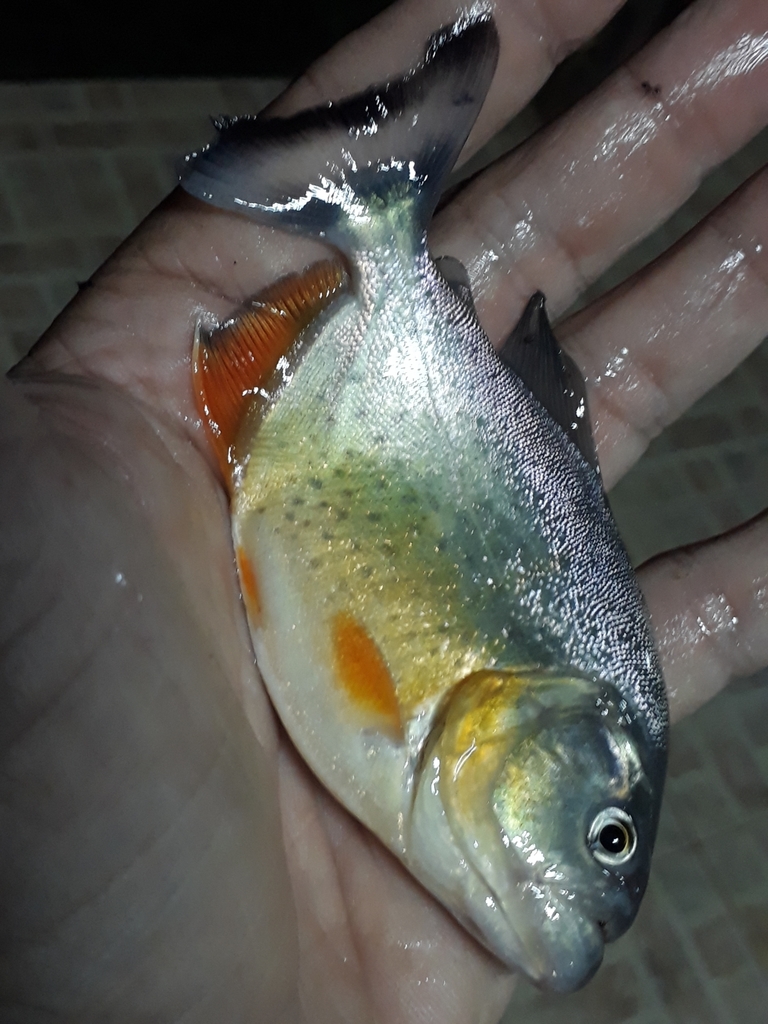
The Black piranha (Pygocentrus piraya) is a freshwater fish of the family Serrasalmidae that grows up to 38 cm.
Description
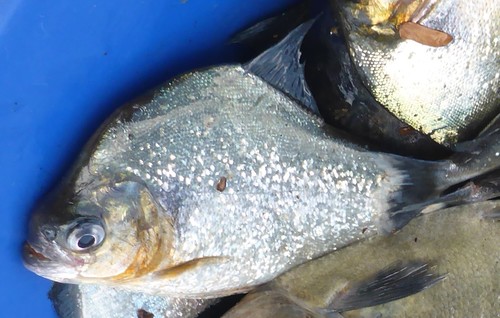
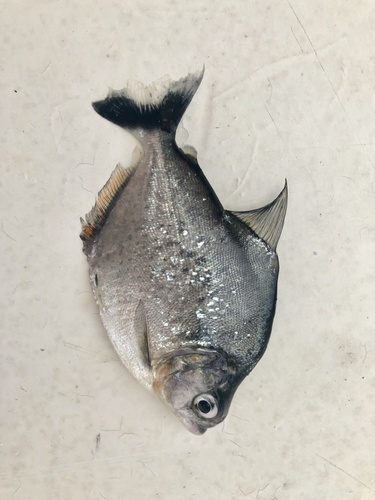
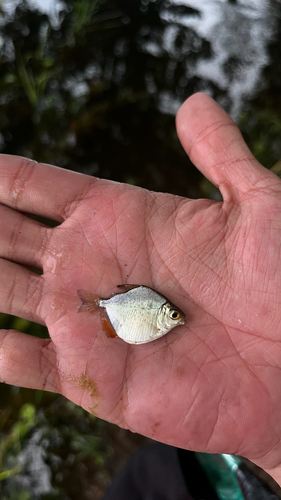
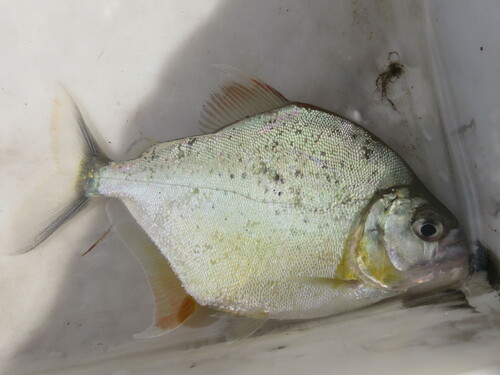
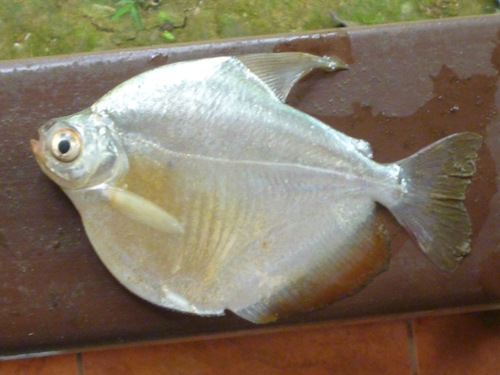
The Black piranha is a true piranha (Serrasalmidae) from fresh water of the Sao Francisco basin in Brazil. The species grows to about 38 cm and has a deep, laterally compressed, silvery body with powerful jaws full of razor-sharp, triangular teeth. It is one of the largest true piranhas, with a red to orange belly. As a schooling predator it hunts fish, crustaceans and carrion in rivers and bites chunks of flesh from prey with its sharp teeth. Attacks on humans are rare, but the bite can inflict a serious wound; handle with care.
Frequently asked questions
How do you recognise the Black piranha?
The Black piranha has a flattened, disc-shaped body and is mainly silver-grey.
Where does the Black piranha live?
The Black piranha lives in fresh water and is mostly found around open water.
How big does the Black piranha get?
The Black piranha grows to a maximum of about 38 cm.
Is the Black piranha dangerous to humans?
The Black piranha can bite, but is otherwise not dangerous to humans.
Is the Black piranha edible?
Yes, the Black piranha is commonly eaten.
Download Fin's Fish Guide
Identify fish in seconds, log your catches and dives. Join the TestFlight beta.
All data
Identification
Appearance
Habitat & distribution
Behaviour & biology
For anglers
Safety
Status & sources
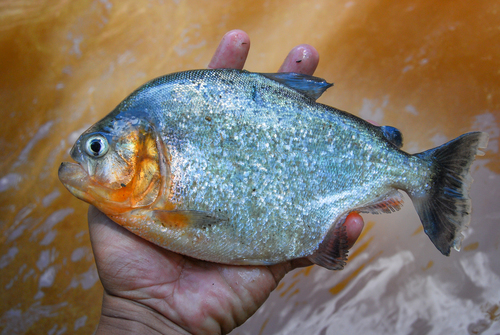
Same genus Pygocentrus
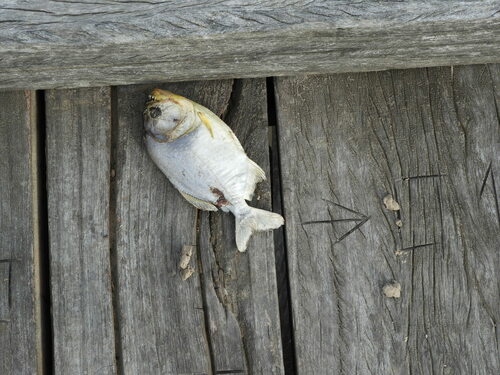
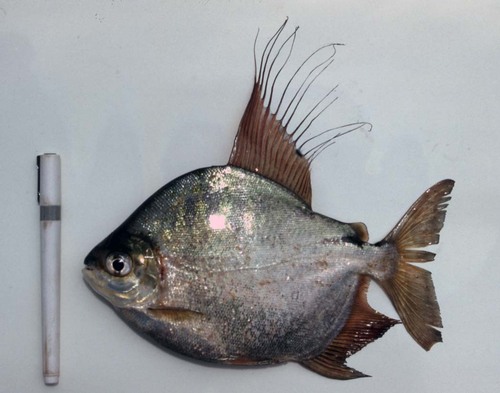
More from the family Serrasalmidae

Download Fin's Fish Guide
Identify fish in seconds, log your catches and dives. Join the TestFlight beta.