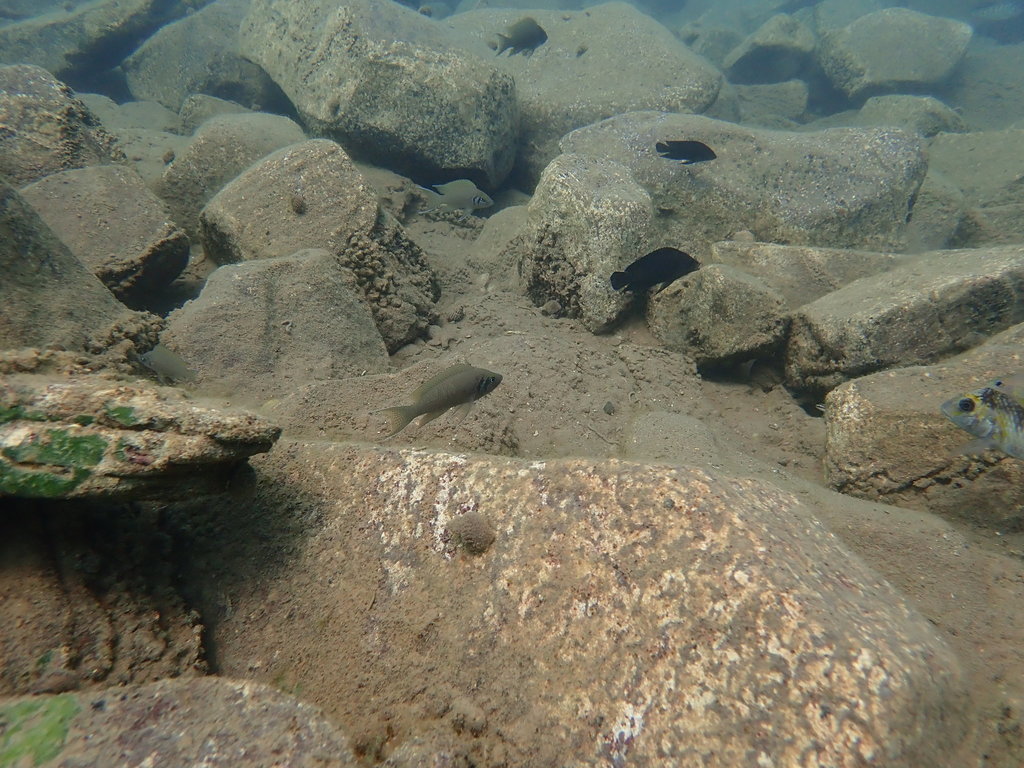
The Daffodil cichlid (Neolamprologus pulcher) is a freshwater fish of the family Cichlidae that grows up to 7 cm.
Description
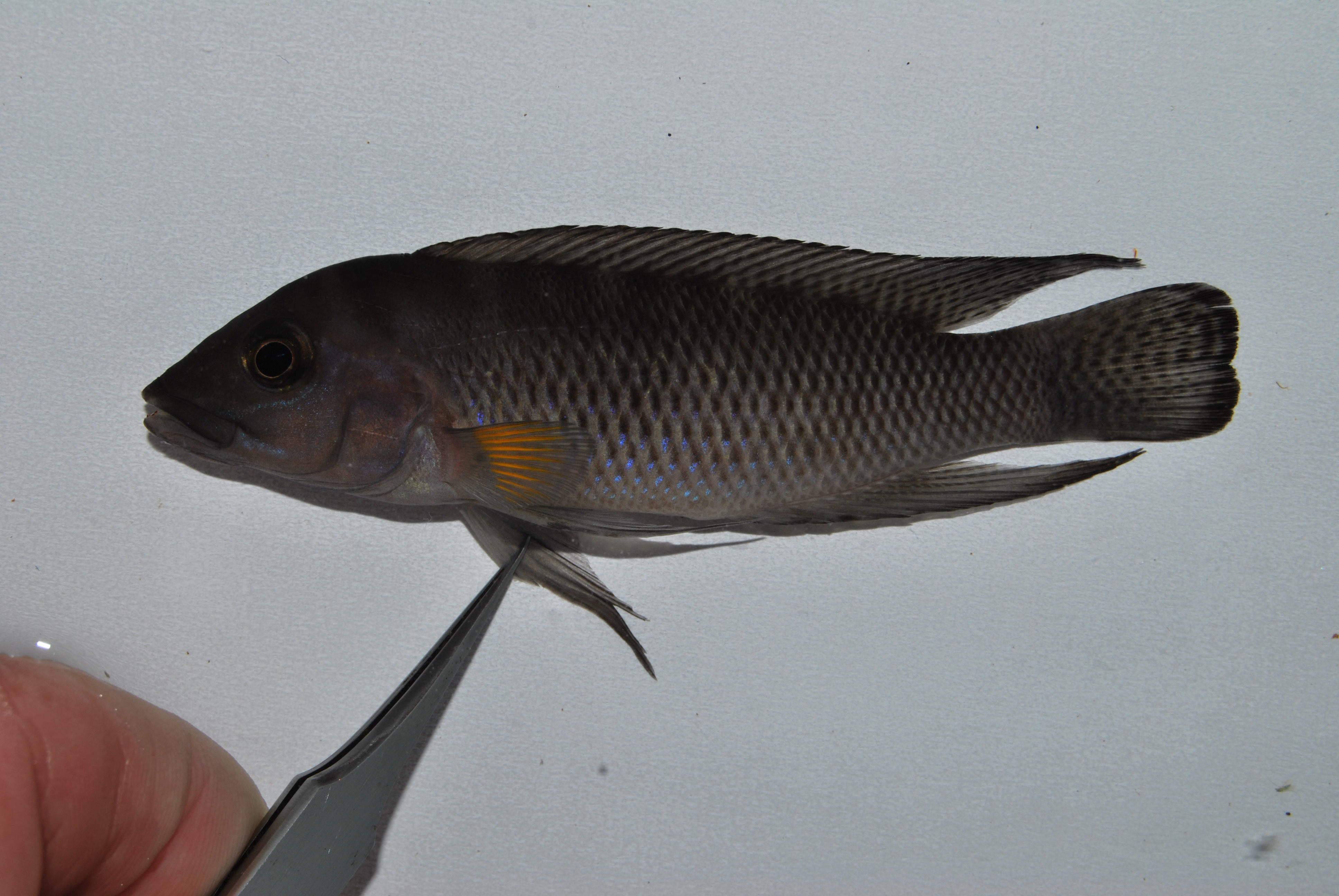
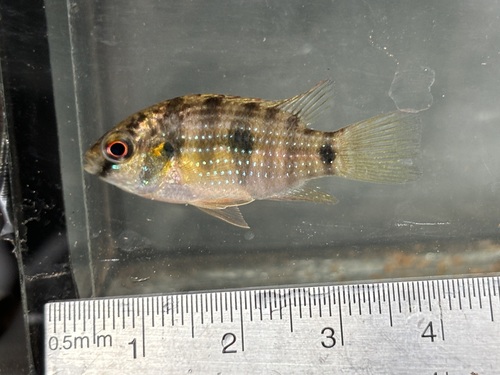
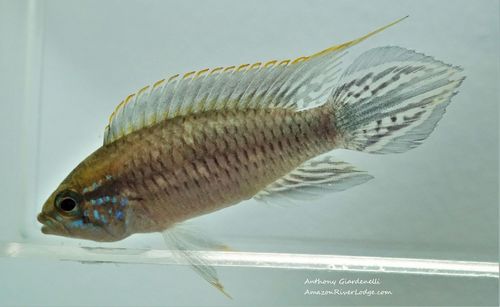
The daffodil cichlid is a graceful cichlid endemic to Lake Tanganyika. The species reaches about 7 cm, has a grey-yellow body with a bluish sheen and finely edged fins, and inhabits sediment-rich, rocky zones. The fish is famous as a model organism for cooperative breeding: pairs breed in crevices where 20 to 60 eggs are laid, and older young remain as 'helpers' that defend the territory and tend the nest. The diet consists of zooplankton and small invertebrates. Because of this complex social behaviour the species has been studied extensively.
Frequently asked questions
How do you recognise the Daffodil cichlid?
The Daffodil cichlid has a flattened, disc-shaped body, is mainly yellow-gold and shows a plain pattern.
Where does the Daffodil cichlid live?
The Daffodil cichlid lives in fresh water and is mostly found around mixed bottom.
How big does the Daffodil cichlid get?
The Daffodil cichlid grows to a maximum of about 7 cm. On average the species is around 6 cm.
Is the Daffodil cichlid dangerous to humans?
No, the Daffodil cichlid is harmless to humans.
Is the Daffodil cichlid edible?
The Daffodil cichlid is not usually eaten.
Download Fin's Fish Guide
Identify fish in seconds, log your catches and dives. Join the TestFlight beta.
All data
Identification
Appearance
Habitat & distribution
Behaviour & biology
For anglers
Safety
Status & sources
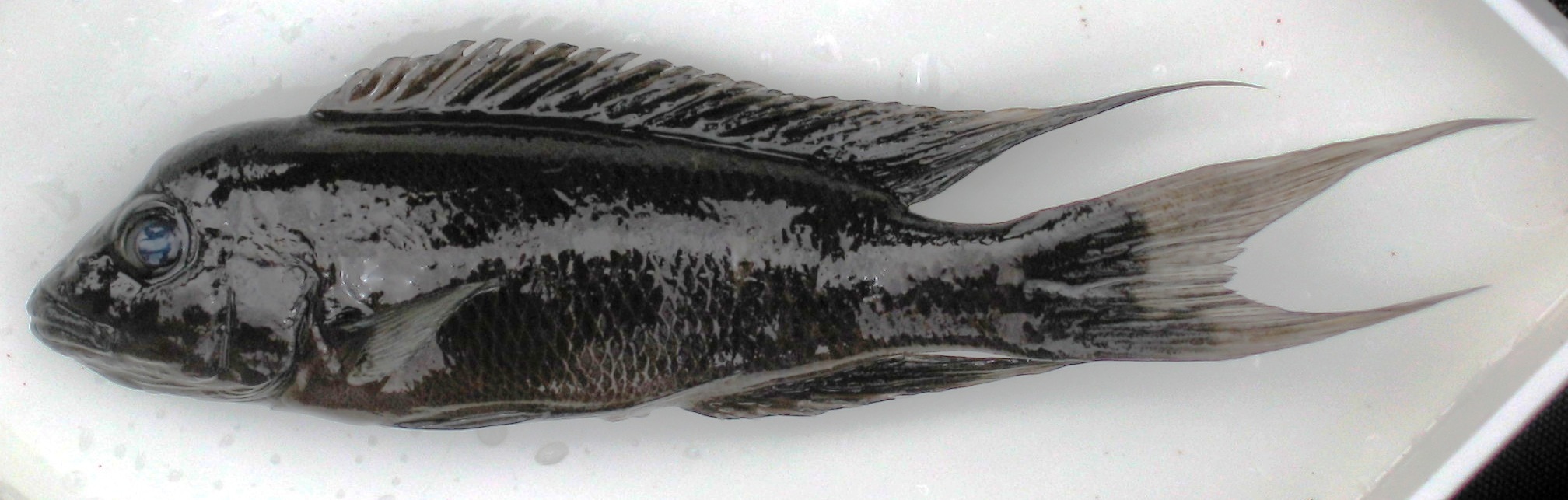
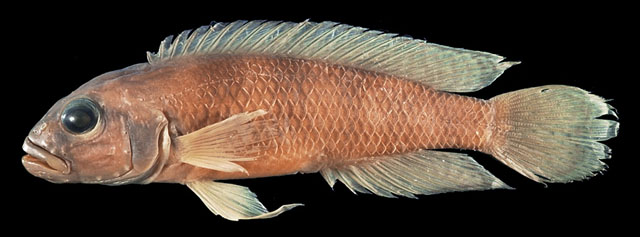
Same genus Neolamprologus

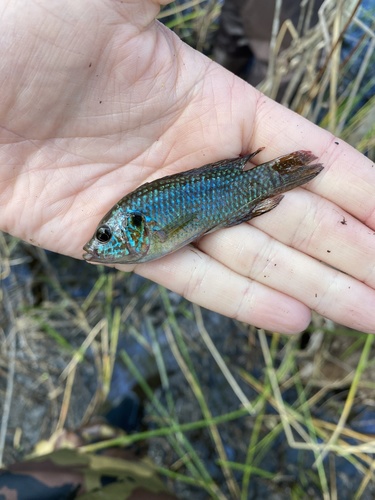
More from the family Cichlidae



Download Fin's Fish Guide
Identify fish in seconds, log your catches and dives. Join the TestFlight beta.