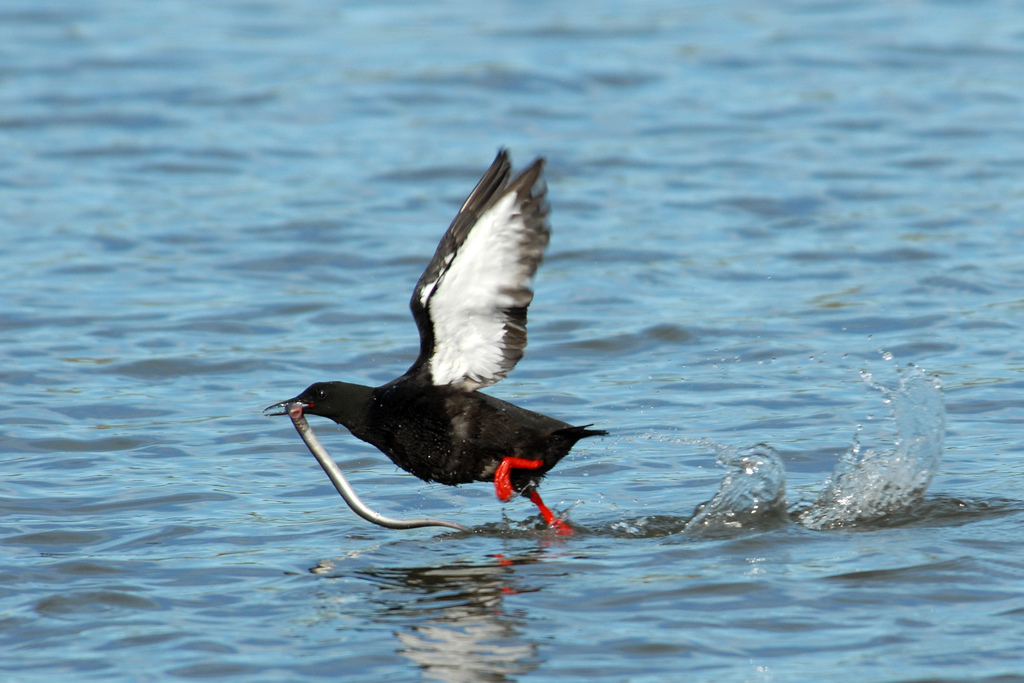
The Arctic lamprey (Lethenteron camtschaticum) is a fish that lives in both fresh and salt water of the family Petromyzontidae that grows up to 63 cm.
Description
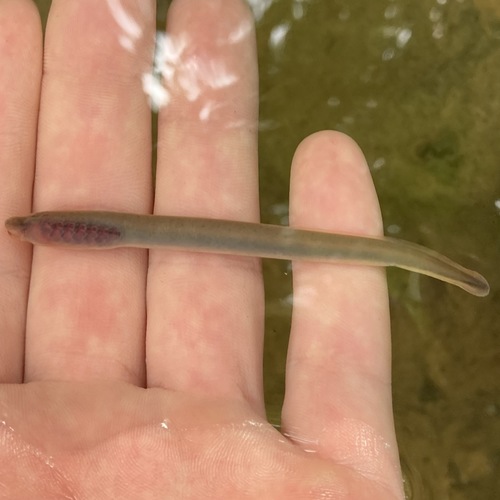
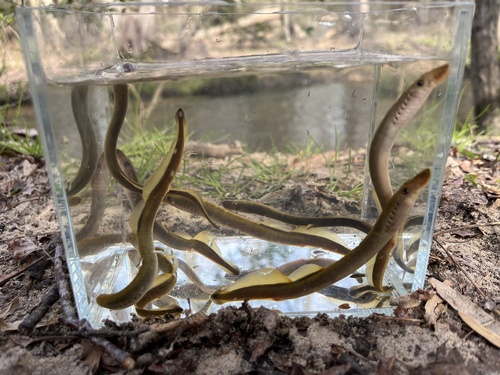
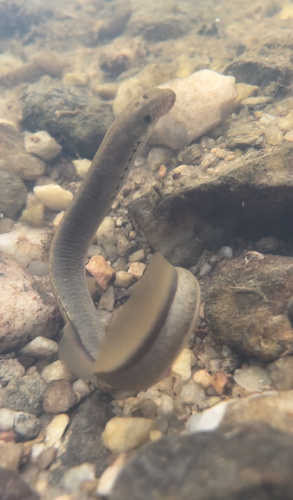
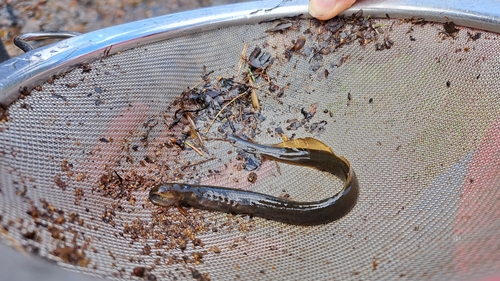
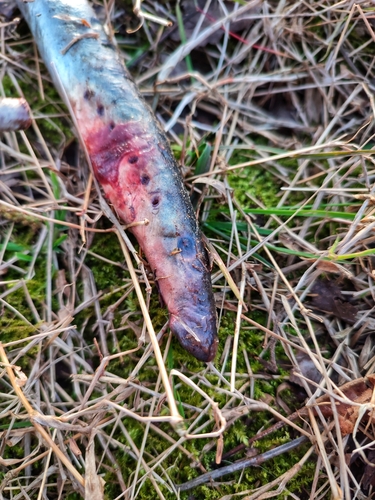
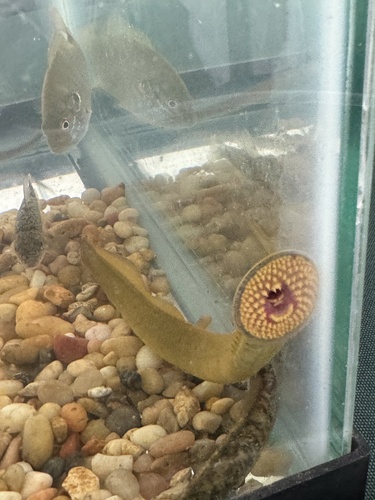
The Arctic lamprey is a lamprey (Petromyzontidae) from the northern hemisphere. The species is a primitive, jawless fish with an eel-shaped, scaleless body and a round sucking mouth full of horny teeth. It is anadromous: adults live parasitically in coastal and estuarine waters, where they attach to fishes and take flesh and body fluids with their rasping mouth, and migrate into rivers and lakes to spawn. The worm-like larvae filter detritus and algae in the sediment for years. The species is harmless to humans.
Frequently asked questions
How do you recognise the Arctic lamprey?
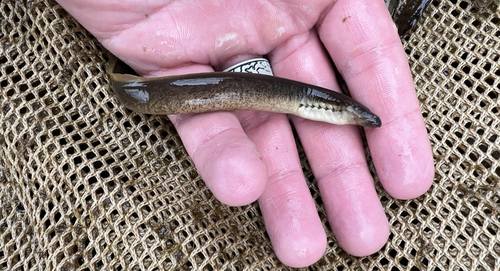
The Arctic lamprey has a snake-like body, is mainly brown and shows a plain pattern.
Where does the Arctic lamprey live?
The Arctic lamprey lives in both fresh and salt water and is mostly found around sand or mud bottom.
How big does the Arctic lamprey get?
The Arctic lamprey grows to a maximum of about 63 cm. On average the species is around 16 cm.
Is the Arctic lamprey dangerous to humans?
No, the Arctic lamprey is harmless to humans.
Is the Arctic lamprey edible?
The Arctic lamprey is rarely eaten.
Download Fin's Fish Guide
Identify fish in seconds, log your catches and dives. Join the TestFlight beta.
All data
Identification
Appearance
Habitat & distribution
Behaviour & biology
For anglers
Safety
Status & sources
Same genus Lethenteron
More from the family Petromyzontidae

Download Fin's Fish Guide
Identify fish in seconds, log your catches and dives. Join the TestFlight beta.