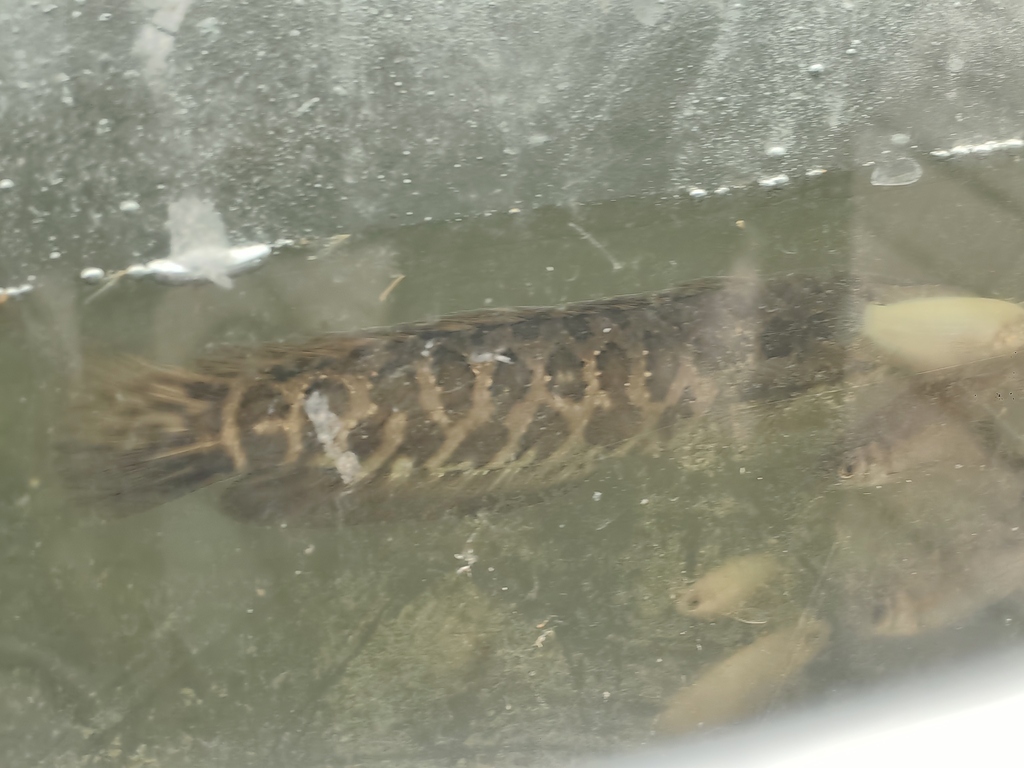
The Northern snakehead (Channa argus) is a freshwater fish of the family Channidae that grows up to 100 cm.
Description
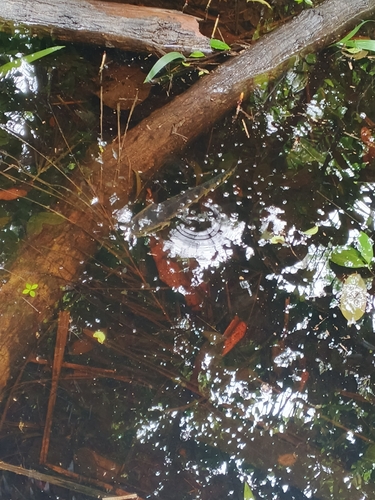
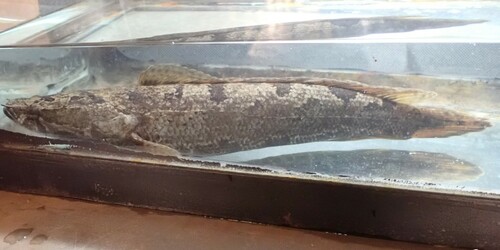
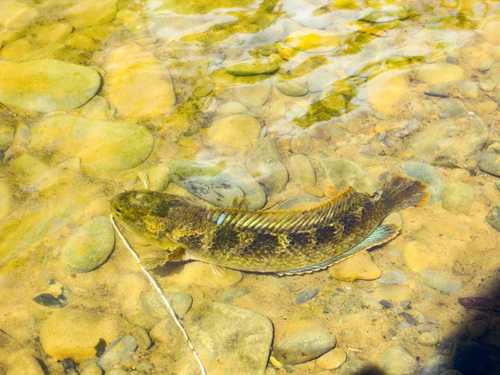
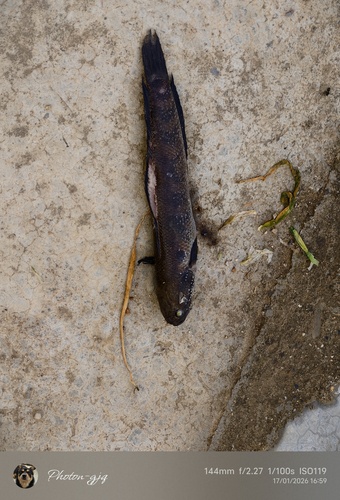
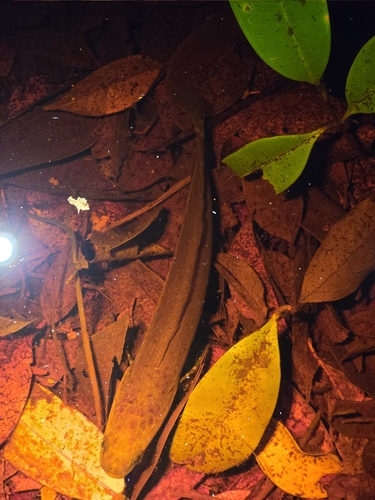
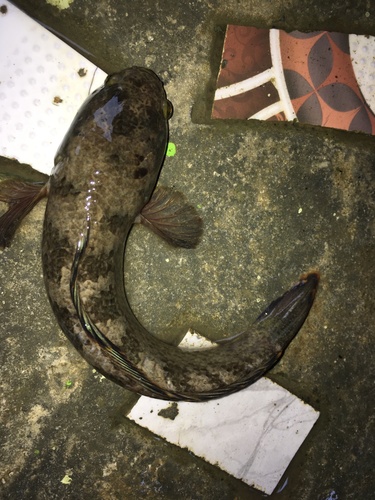
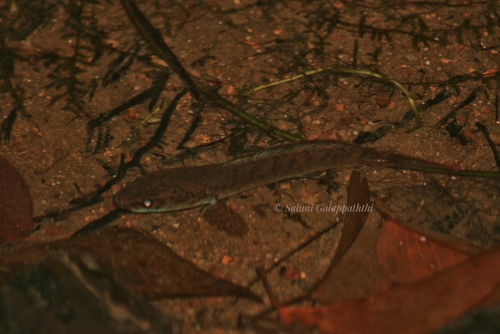
The northern snakehead is an elongate predator of the family Channidae reaching about 1 metre. The brown, dark-blotched body has a flattened, snake-like head, a long dorsal and anal fin and a mouth full of sharp teeth. With an air-breathing organ it can breathe air, letting it survive in oxygen-poor water and even crawl over damp ground for short distances. The species comes from East Asia and lives in quiet, vegetated rivers, lakes and swamps. As a top predator it hunts fish, frogs, crustaceans and large aquatic insects; the parents fiercely guard their young. Outside its range, including in North America and parts of Europe, it is established as a harmful invasive species and is actively controlled.
Frequently asked questions
How do you recognise the Northern snakehead?
The Northern snakehead has an elongate, eel-like body, is mainly brown and shows a spots pattern.
Where does the Northern snakehead live?
The Northern snakehead lives in fresh water and is mostly found around algae or seagrass beds.
How big does the Northern snakehead get?
The Northern snakehead grows to a maximum of about 100 cm.
Is the Northern snakehead dangerous to humans?
The Northern snakehead can bite, but is otherwise not dangerous to humans.
Is the Northern snakehead edible?
Yes, the Northern snakehead is commonly eaten.
Download Fin's Fish Guide
Identify fish in seconds, log your catches and dives. Join the TestFlight beta.
All data
Identification
Appearance
Habitat & distribution
Behaviour & biology
For anglers
Safety
Status & sources
Same genus Channa
More from the family Channidae

Download Fin's Fish Guide
Identify fish in seconds, log your catches and dives. Join the TestFlight beta.