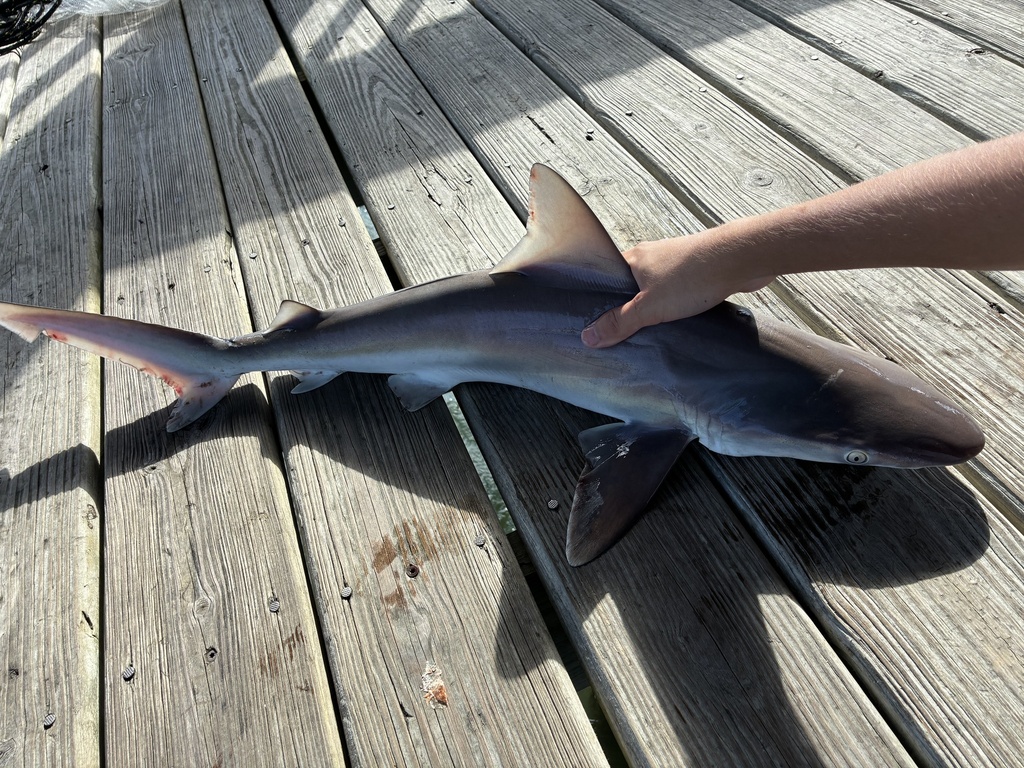
The Brown shark (Carcharhinus plumbeus) is a brackish-water fish of the family Carcharhinidae that grows up to 300 cm.
Description
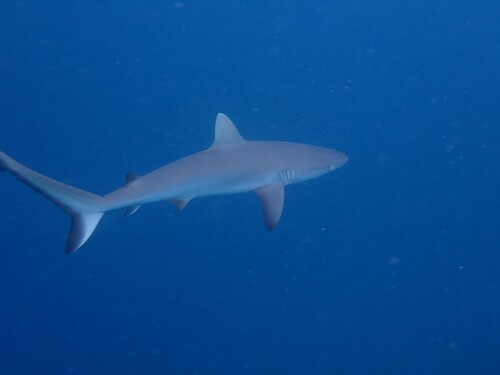
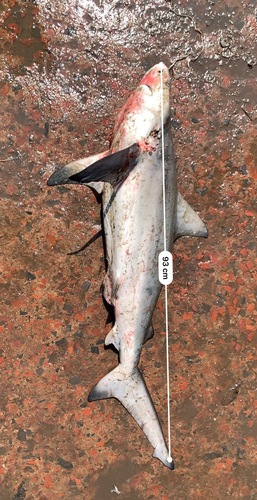
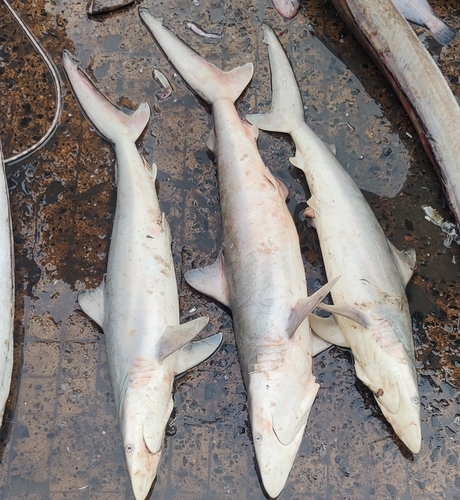
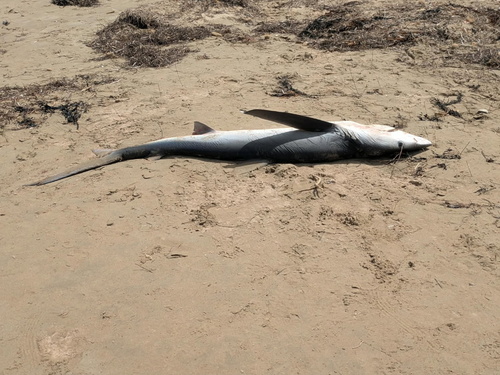
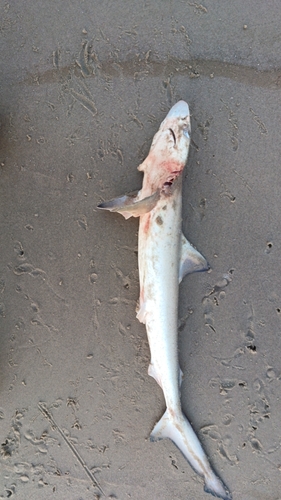
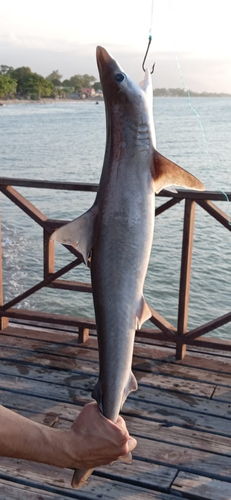
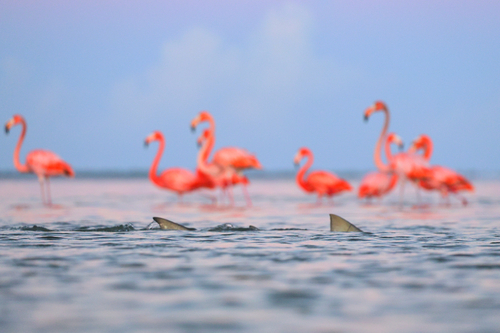
The sandbar shark (Carcharhinus plumbeus) is a stocky requiem shark of the family Carcharhinidae from temperate and tropical coastal waters. The species is recognised by its very tall, forward-set first dorsal fin and a brown-grey, streamlined body that can reach about three metres. It lives on continental and insular shelves, especially in bays, river mouths and harbours, and avoids the surf zone and coral reefs. It is a bottom-associated hunter of fishes, rays and crustaceans. The species is generally not aggressive toward people but, owing to slow reproduction and fishing, is considered Endangered (EN).
Frequently asked questions
How do you recognise the Brown shark?
The Brown shark has a torpedo-shaped body, is mainly silver-grey and shows a plain pattern.
Where does the Brown shark live?
The Brown shark lives in brackish water and is mostly found around mixed bottom.
How big does the Brown shark get?
The Brown shark grows to a maximum of about 300 cm. On average the species is around 200 cm.
Is the Brown shark dangerous to humans?
No, the Brown shark is harmless to humans.
Is the Brown shark edible?
Yes, the Brown shark is commonly eaten.
Download Fin's Fish Guide
Identify fish in seconds, log your catches and dives. Join the TestFlight beta.
All data
Identification
Appearance
Habitat & distribution
Behaviour & biology
For anglers
Safety
Status & sources
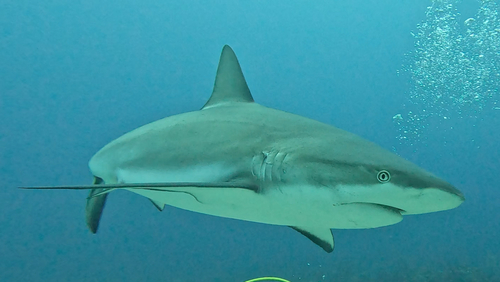
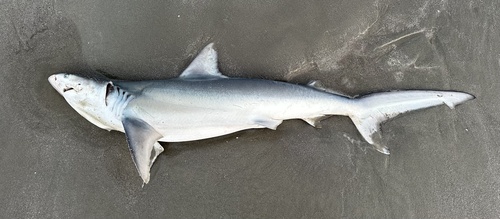
Same genus Carcharhinus
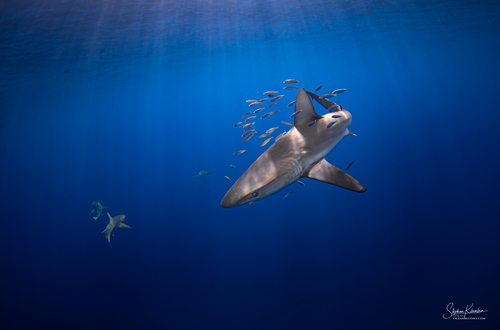
More from the family Carcharhinidae
Download Fin's Fish Guide
Identify fish in seconds, log your catches and dives. Join the TestFlight beta.