
The Atlantic thornyhead (Trachyscorpia cristulata) is a saltwater fish of the family Sebastidae that grows up to 50 cm.
Description
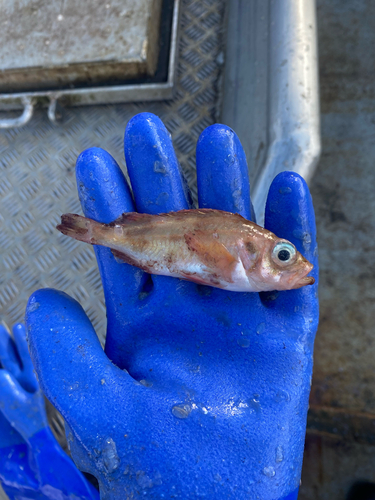
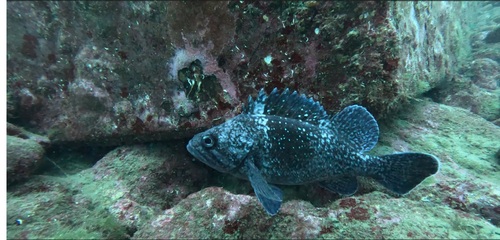
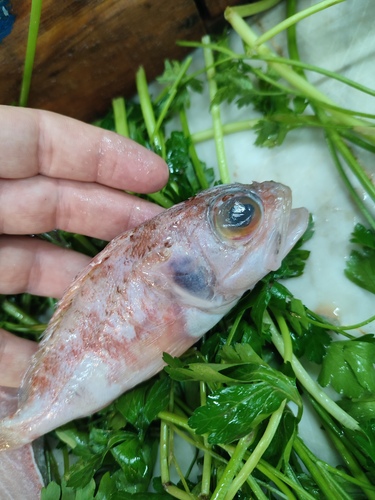
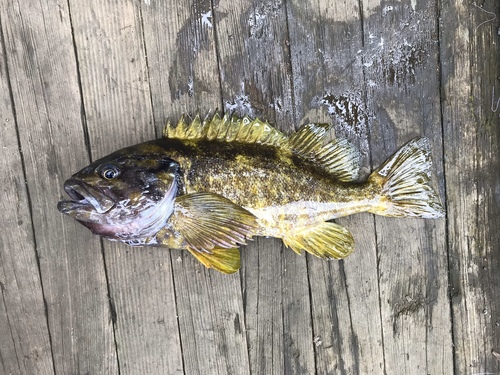
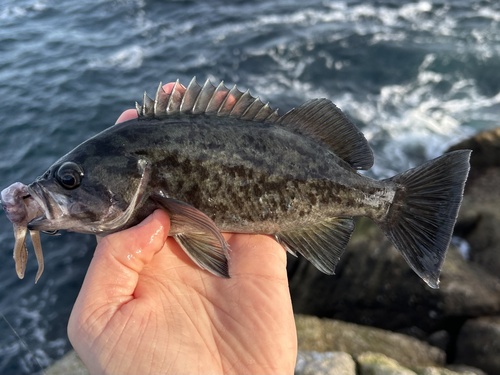
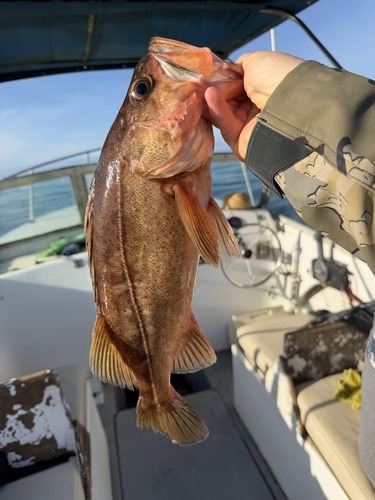
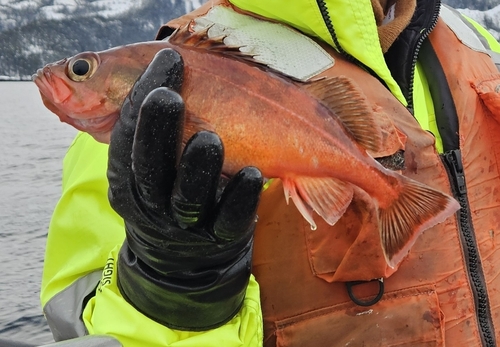
The Atlantic thornyhead is a deep-water scorpionfish of the family Sebastidae reaching about 50 cm. The stout, reddish body is mottled and covered with skin flaps, and the head is heavily spined; venomous spines stand in the dorsal, pelvic and anal fins. The reddish colour disappears at depth, so the fish blends perfectly among rocks and on the bottom. The species lives on sand and rock bottoms of the continental slope of the north-eastern Atlantic and the western Mediterranean, usually between one hundred and over a thousand metres. As an ambush hunter it lies motionless and seizes fish, crustaceans and squid. The venomous spines can give painful wounds, so caution is needed.
Frequently asked questions
How do you recognise the Atlantic thornyhead?
The Atlantic thornyhead has a torpedo-shaped body, is mainly red-orange and shows a spots pattern.
Where does the Atlantic thornyhead live?
The Atlantic thornyhead lives in the sea (marine waters) and is mostly found around sand or mud bottom.
How big does the Atlantic thornyhead get?
The Atlantic thornyhead grows to a maximum of about 50 cm.
Is the Atlantic thornyhead dangerous to humans?
The Atlantic thornyhead is venomous — handle spines with care and seek medical help after a sting if needed.
Is the Atlantic thornyhead edible?
The Atlantic thornyhead is rarely eaten.
Download Fin's Fish Guide
Identify fish in seconds, log your catches and dives. Join the TestFlight beta.
All data
Identification
Appearance
Habitat & distribution
Behaviour & biology
For anglers
Safety
Status & sources
More from the family Sebastidae

Download Fin's Fish Guide
Identify fish in seconds, log your catches and dives. Join the TestFlight beta.