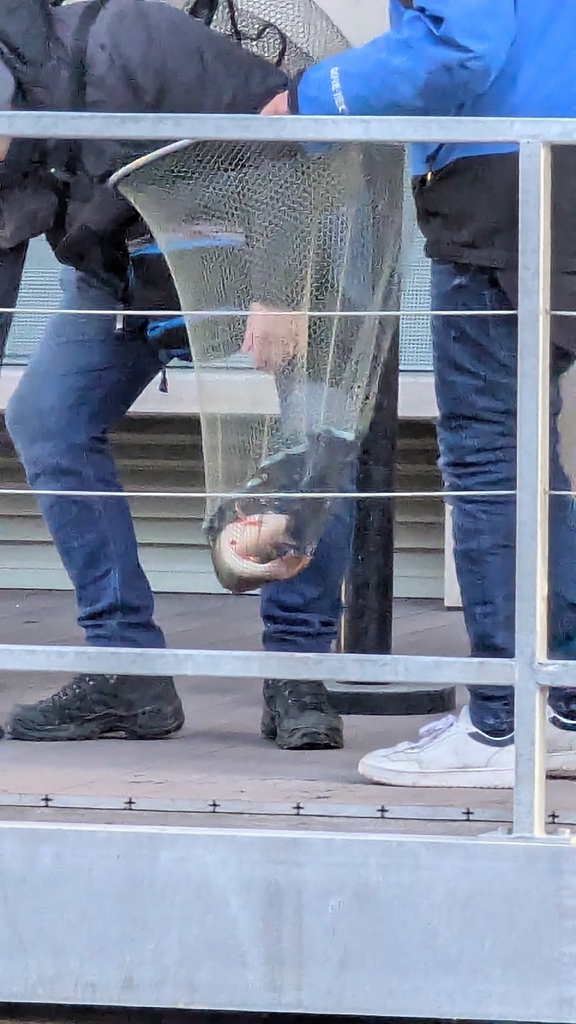
The European perch (Perca fluviatilis) is a freshwater fish of the family Percidae that grows up to 60 cm.
Description
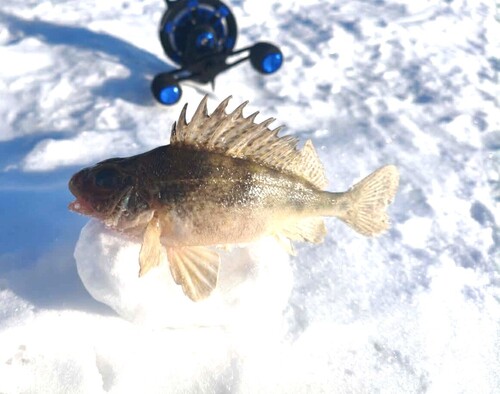
The European perch is a common predator of the family Percidae reaching about 60 cm but usually smaller. The stout body is greenish with five to nine dark vertical bars, a spiny first dorsal fin with a black spot at the rear edge and conspicuous red-orange pelvic and anal fins. The species lives in fresh and slightly brackish water of Europe and northern Asia, such as lakes, canals, rivers and ponds, often in small groups near structure like water plants, posts and jetties. Young perch eat insect larvae and crustaceans, older fish hunt small fish. In spring the perch lays its eggs in long, net-like strands. The perch is a popular sport and food fish.
Frequently asked questions
How do you recognise the European perch?
The European perch has a torpedo-shaped body, is mainly green and shows a vertical stripes pattern.
Where does the European perch live?
The European perch lives in fresh water and is mostly found around sand or mud bottom.
How big does the European perch get?
The European perch grows to a maximum of about 60 cm. On average the species is around 25 cm.
Is the European perch dangerous to humans?
No, the European perch is harmless to humans.
Is the European perch edible?
Yes, the European perch is commonly eaten.
Download Fin's Fish Guide
Identify fish in seconds, log your catches and dives. Join the TestFlight beta.
All data
Identification
Appearance
Habitat & distribution
Behaviour & biology
For anglers
Safety
Status & sources
Same genus Perca
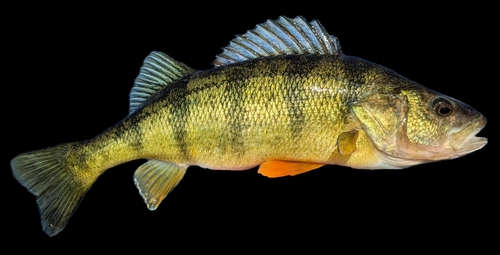
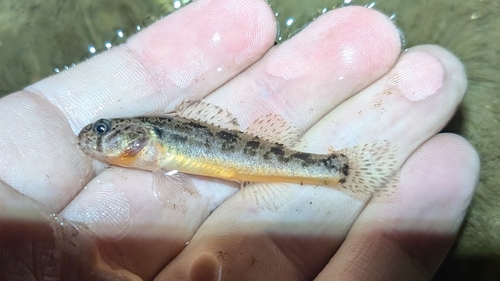
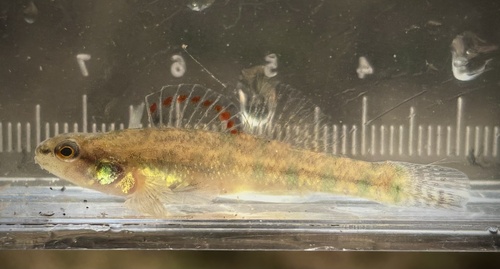
More from the family Percidae


Download Fin's Fish Guide
Identify fish in seconds, log your catches and dives. Join the TestFlight beta.