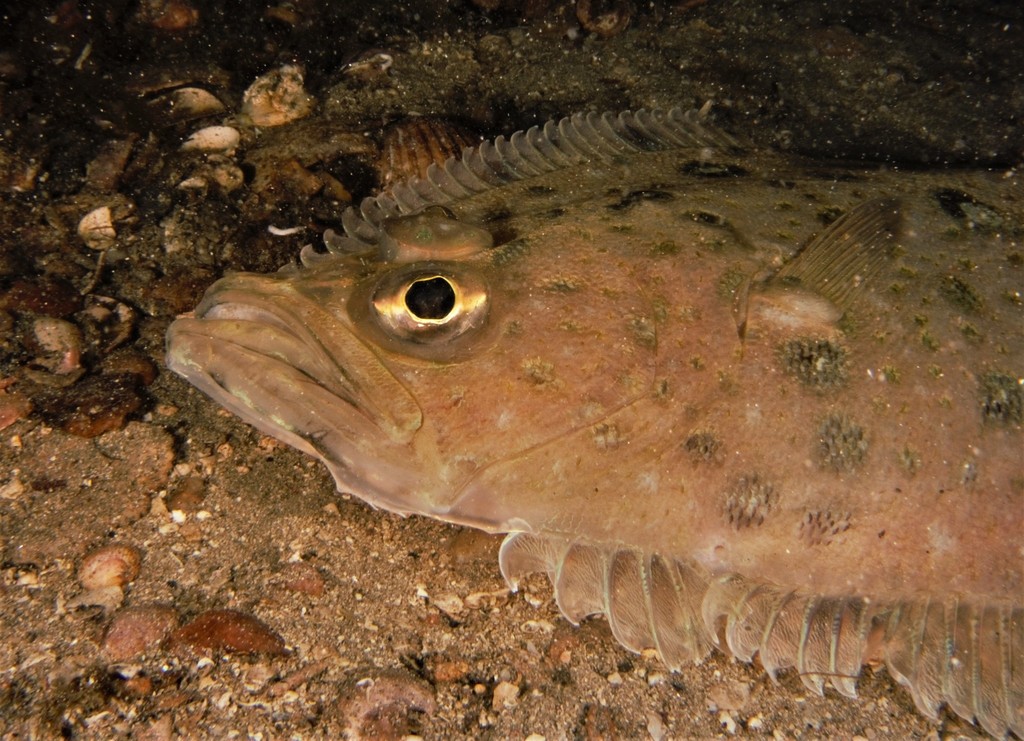
The Megrim (Lepidorhombus whiffiagonis) is a saltwater fish of the family Scophthalmidae that grows up to 60 cm.
Description
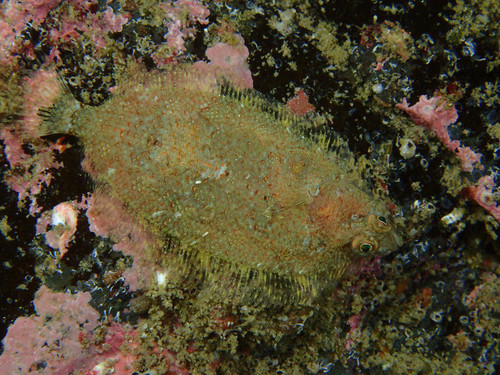
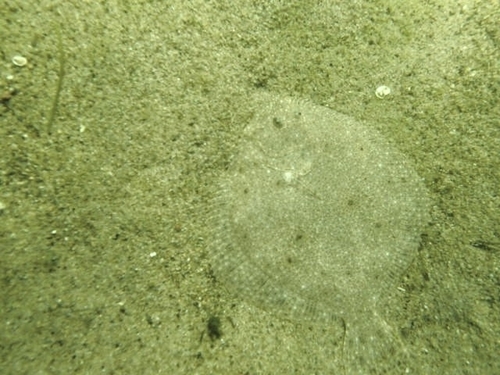
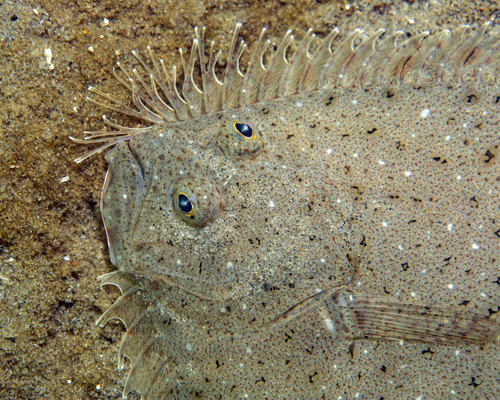
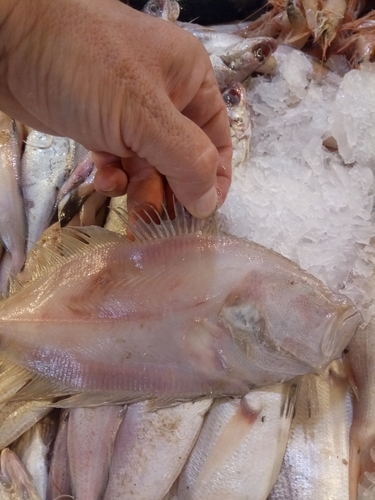
The megrim is a slender flatfish of the family Scophthalmidae reaching about 60 cm. Unlike plaice and sole the megrim is left-eyed: both eyes lie on the left side, which is yellow-brown and somewhat spotted. The body is strikingly thin and slender, with a fairly large mouth and large eyes. The species lives on sand and mud bottoms of the continental shelf and slope of the north-eastern Atlantic, mainly in the Bay of Biscay and around the British Isles, usually between one hundred and seven hundred metres. As an active flatfish it hunts small fish, shrimps and crustaceans. The megrim is an important commercial flatfish with lean white flesh, especially prized in southern Europe.
Frequently asked questions
How do you recognise the Megrim?
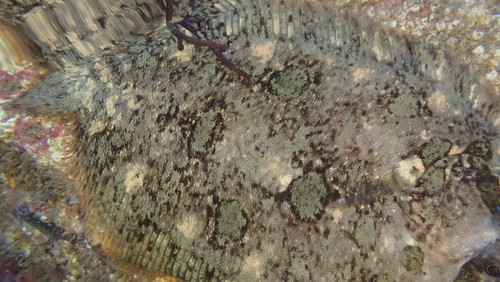
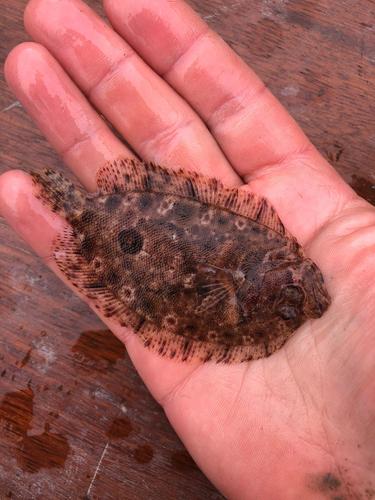
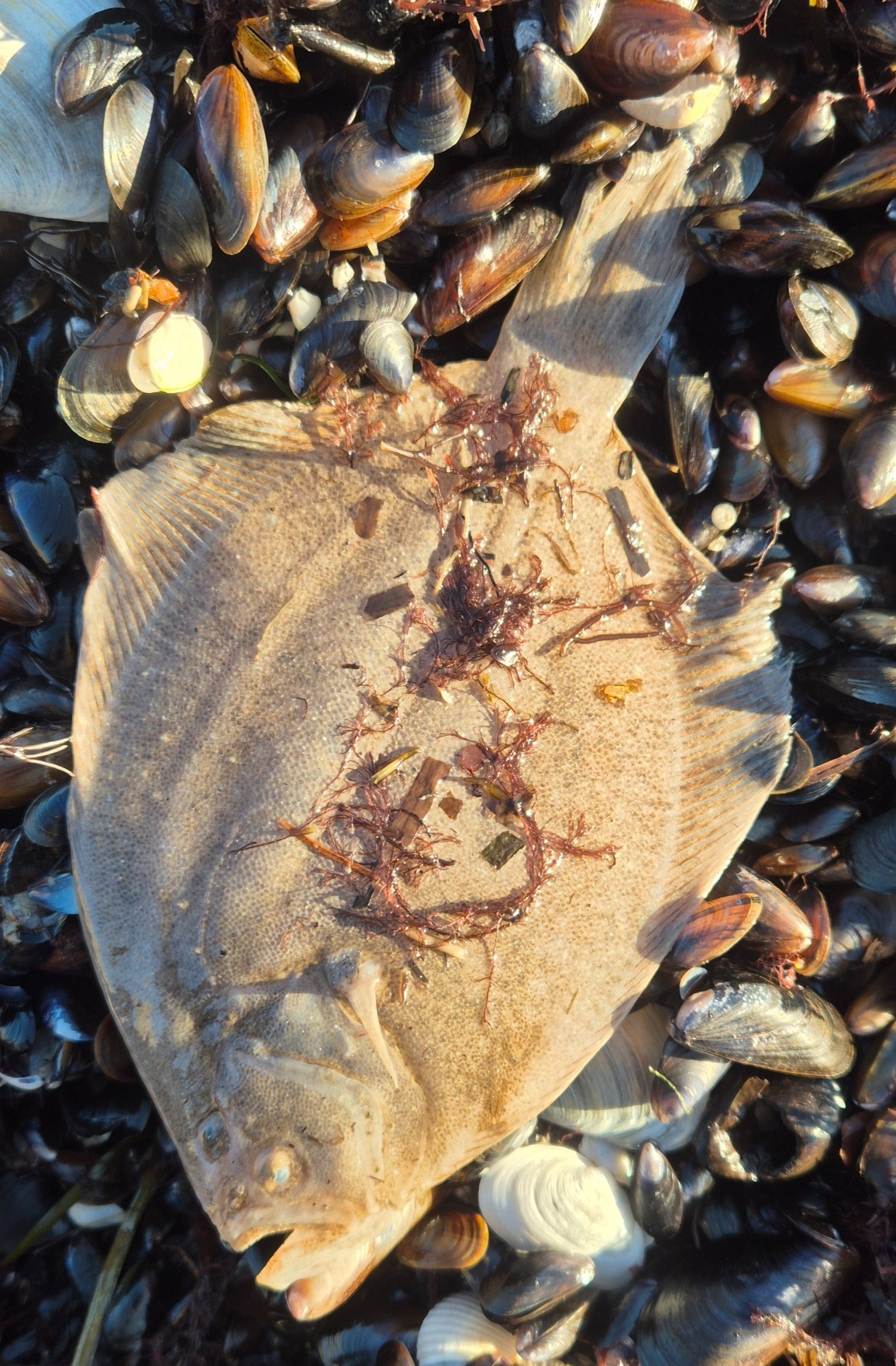
The Megrim has a flatfish-shaped body, is mainly brown and shows a spots pattern.
Where does the Megrim live?
The Megrim lives in the sea (marine waters) and is mostly found around sand or mud bottom.
How big does the Megrim get?
The Megrim grows to a maximum of about 60 cm. On average the species is around 25 cm.
Is the Megrim dangerous to humans?
No, the Megrim is harmless to humans.
Is the Megrim edible?
Yes, the Megrim is commonly eaten.
Download Fin's Fish Guide
Identify fish in seconds, log your catches and dives. Join the TestFlight beta.
All data
Identification
Appearance
Habitat & distribution
Behaviour & biology
For anglers
Safety
Status & sources
Same genus Lepidorhombus
More from the family Scophthalmidae
Download Fin's Fish Guide
Identify fish in seconds, log your catches and dives. Join the TestFlight beta.