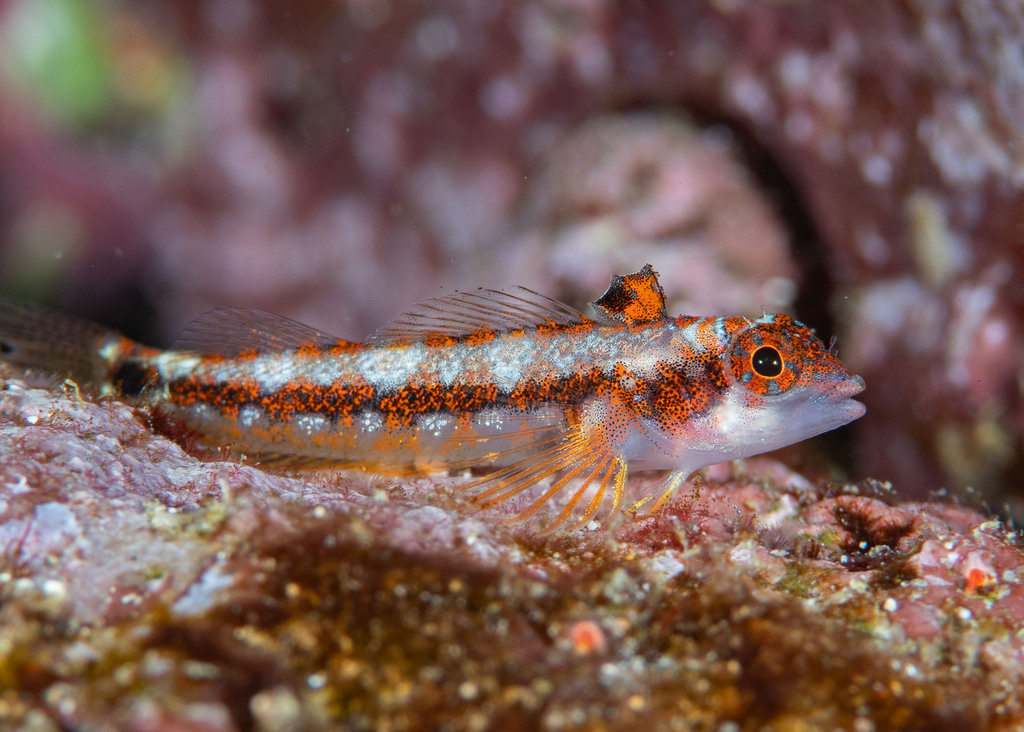
The Galapagos triplefin blenny (Lepidonectes corallicola) is a saltwater fish of the family Tripterygiidae that grows up to 9 cm.
Description
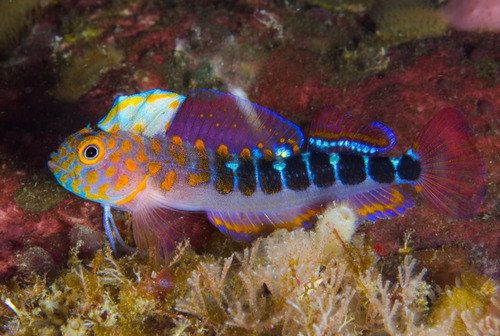
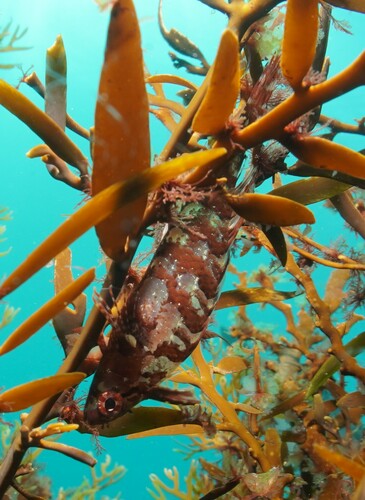
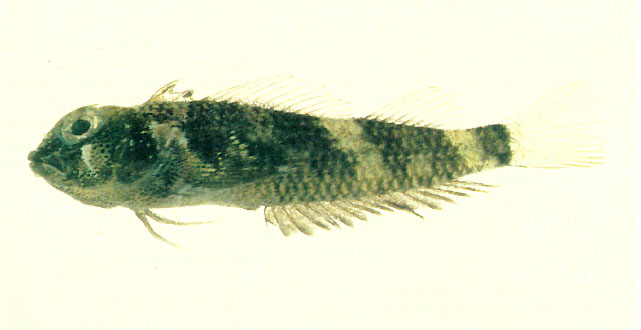
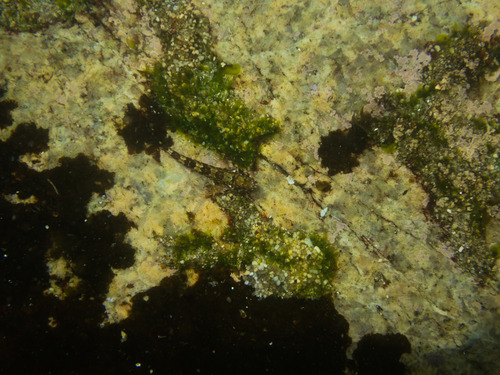
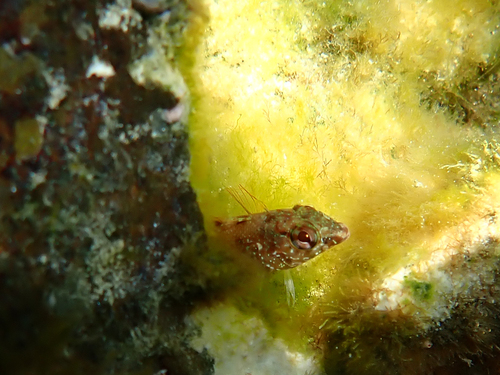
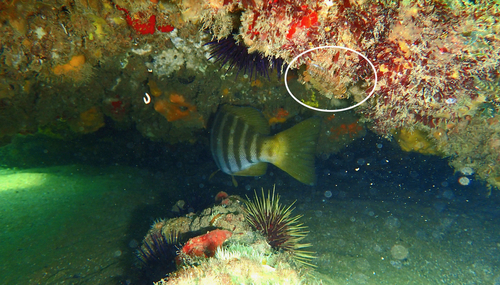
The Galapagos triplefin blenny is a small blenny endemic to the Galapagos Islands in the eastern Pacific. The species grows to about 9 cm and has three separate dorsal fins, characteristic of the triplefins. It lives on rocky reefs, boulder-strewn slopes and walls between 1 and 12 metres depth. Males hold small territories on vertical rock faces, guard the egg masses and attract several females; spawning runs from November to February. The fish is harmless to humans and is assessed as Least Concern (LC) by the IUCN.
Frequently asked questions
How do you recognise the Galapagos triplefin blenny?
The Galapagos triplefin blenny has an elongate, eel-like body, is mainly brown and shows a spots pattern.
Where does the Galapagos triplefin blenny live?
The Galapagos triplefin blenny lives in the sea (marine waters) and is mostly found around stony or rocky ground.
How big does the Galapagos triplefin blenny get?
The Galapagos triplefin blenny grows to a maximum of about 9 cm.
Is the Galapagos triplefin blenny dangerous to humans?
No, the Galapagos triplefin blenny is harmless to humans.
Is the Galapagos triplefin blenny edible?
The Galapagos triplefin blenny is not usually eaten.
Download Fin's Fish Guide
Identify fish in seconds, log your catches and dives. Join the TestFlight beta.
All data
Identification
Appearance
Habitat & distribution
Behaviour & biology
For anglers
Safety
Status & sources
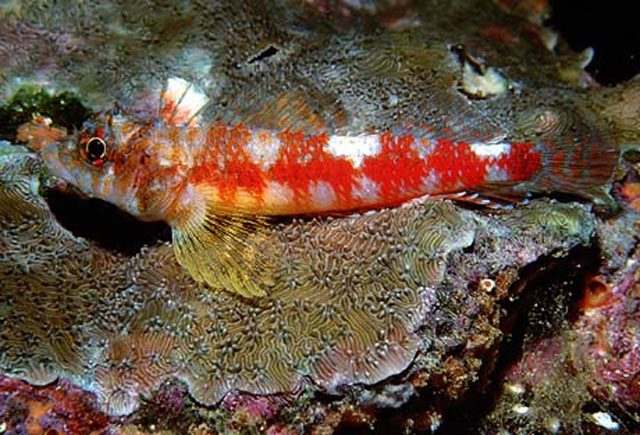
Same genus Lepidonectes
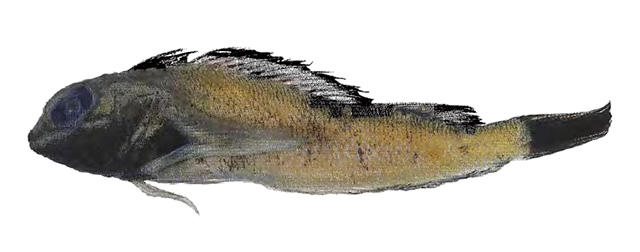
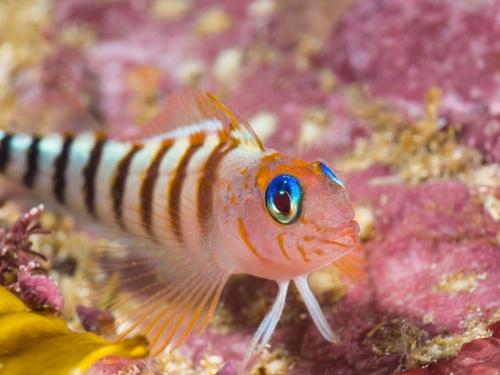
More from the family Tripterygiidae
Download Fin's Fish Guide
Identify fish in seconds, log your catches and dives. Join the TestFlight beta.