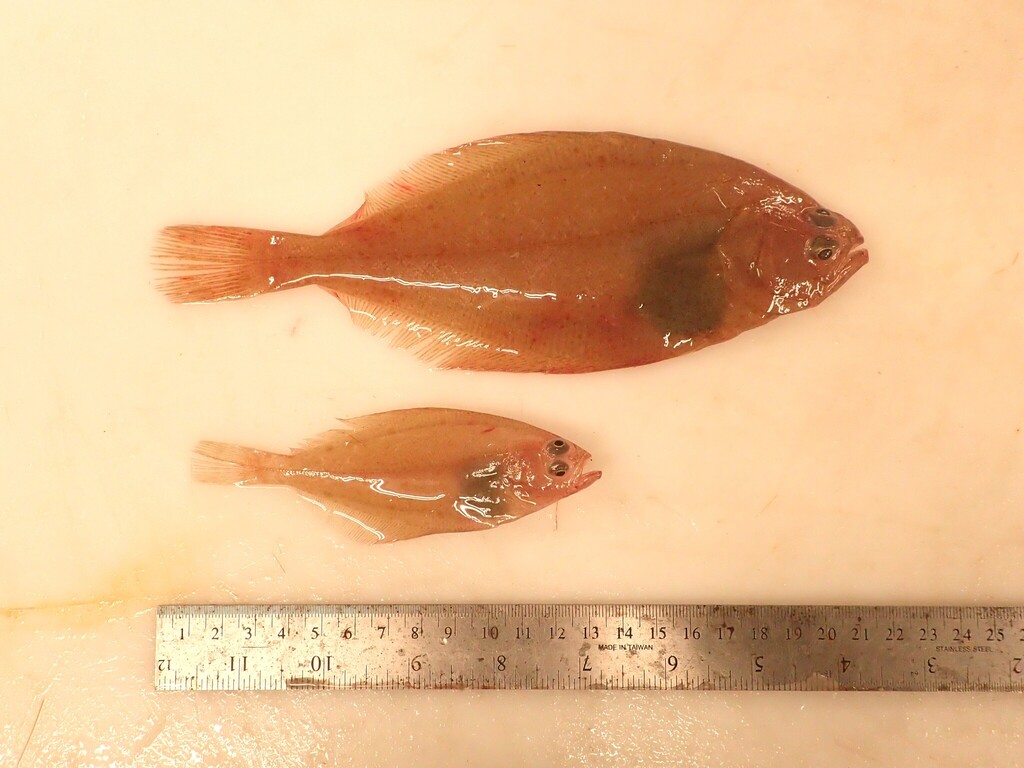
The American plaice (Hippoglossoides platessoides) is a saltwater fish of the family Pleuronectidae that grows up to 83 cm.
Description
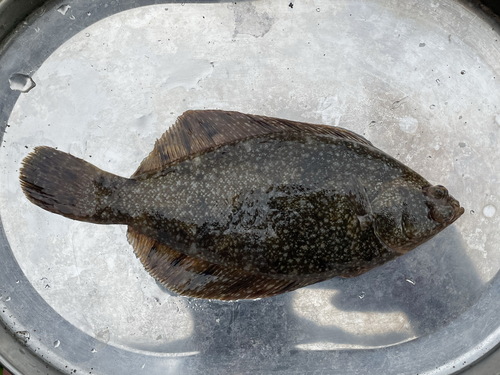
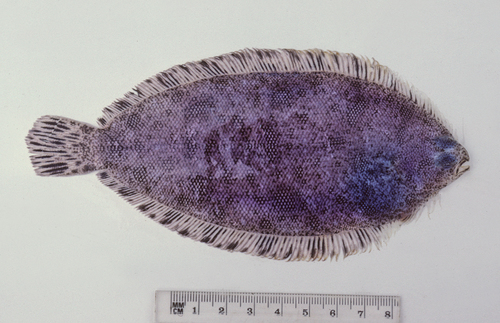
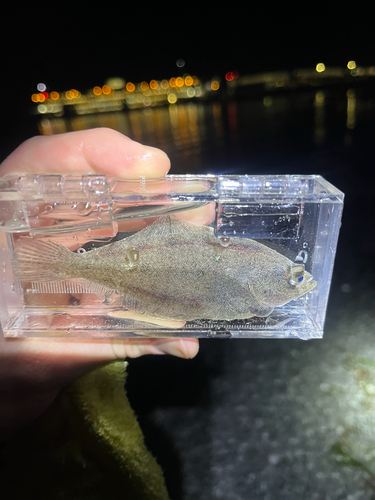
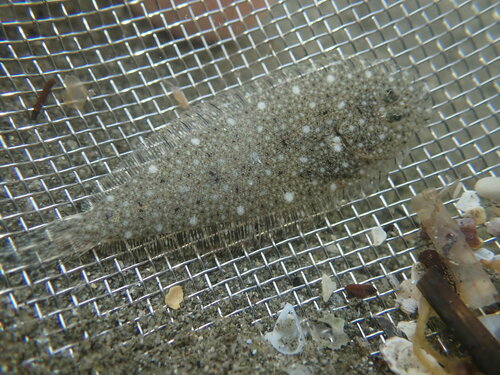
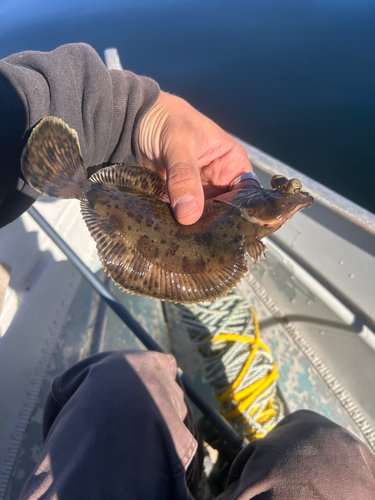
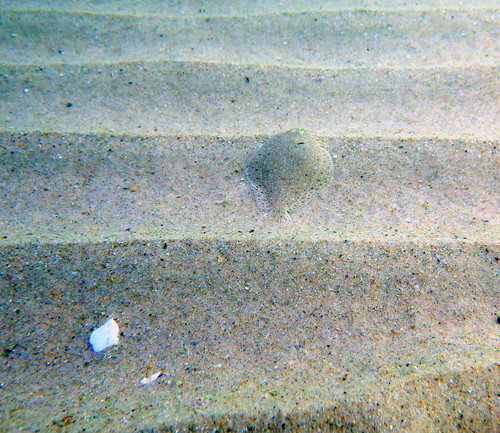
American plaice is a right-eyed flatfish of the family Pleuronectidae growing to more than 80 cm. The body is elongate with a relatively large mouth, rough scales and an almost straight lateral line; the dorsal fin begins above the eye. The upper side is brown while the blind underside is white. It inhabits cold, soft bottoms across the northern Atlantic and Arctic Ocean to depths of several hundred metres, feeding on invertebrates and small fishes. A batch spawner, it releases around 50,000 pelagic eggs. Fishing pressure has sharply reduced Atlantic stocks, and the species is now assessed as Endangered.
Frequently asked questions
How do you recognise the American plaice?
The American plaice has a flattened, disc-shaped body, is mainly brown and shows a plain pattern.
Where does the American plaice live?
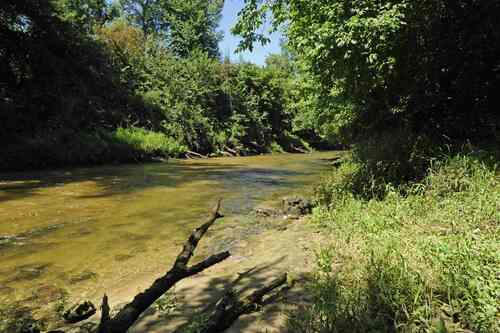
The American plaice lives in the sea (marine waters) and is mostly found around sand or mud bottom.
How big does the American plaice get?
The American plaice grows to a maximum of about 83 cm.
Is the American plaice dangerous to humans?
No, the American plaice is harmless to humans.
Is the American plaice edible?
Yes, the American plaice is commonly eaten.
Download Fin's Fish Guide
Identify fish in seconds, log your catches and dives. Join the TestFlight beta.
All data
Identification
Appearance
Habitat & distribution
Behaviour & biology
For anglers
Safety
Status & sources
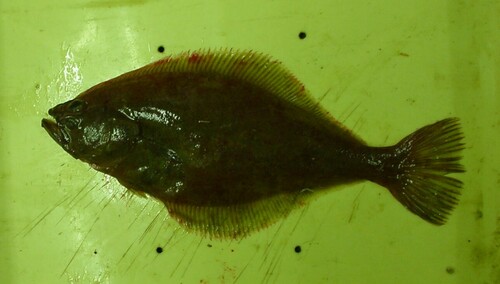
Same genus Hippoglossoides
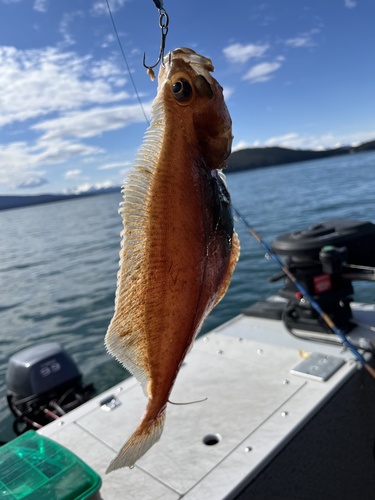
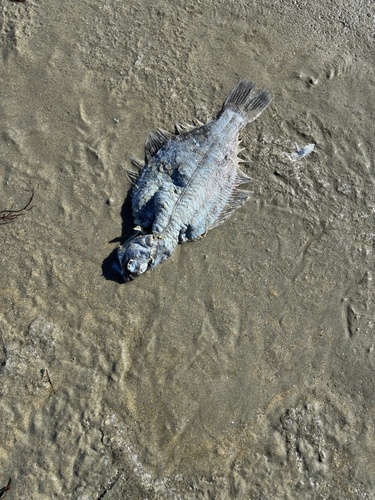
More from the family Pleuronectidae
Download Fin's Fish Guide
Identify fish in seconds, log your catches and dives. Join the TestFlight beta.