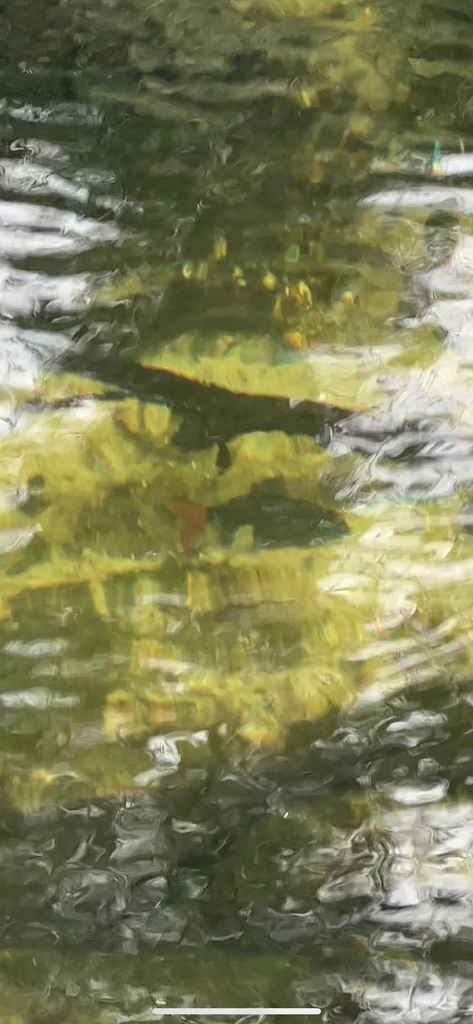
The Redtail black shark (Epalzeorhynchos bicolor) is a freshwater fish of the family Cyprinidae that grows up to 13 cm.
Description
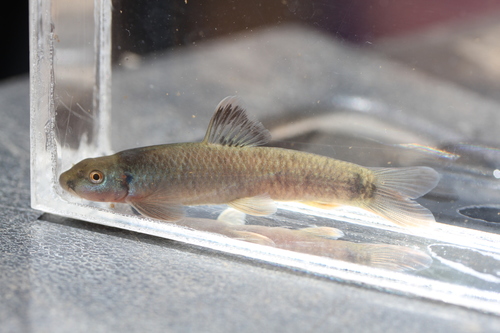
The redtail black shark is a cyprinid (Cyprinidae) endemic to the Chao Phraya basin in Thailand. The species grows to about 13 cm and has a velvety-black, torpedo-shaped body with a conspicuous fiery-red tail and an underslung, scraping mouth. As a bottom-oriented, territorial fish it grazes algae, growth and detritus. In the wild the species is critically endangered through habitat loss and may be nearly gone; it survives thanks to large-scale breeding for the aquarium trade. The fish is harmless to humans.
Frequently asked questions
How do you recognise the Redtail black shark?
The Redtail black shark has an elongate, eel-like body and is mainly black.
Where does the Redtail black shark live?
The Redtail black shark lives in fresh water and is mostly found around sand or mud bottom.
How big does the Redtail black shark get?
The Redtail black shark grows to a maximum of about 13 cm.
Is the Redtail black shark dangerous to humans?
No, the Redtail black shark is harmless to humans.
Download Fin's Fish Guide
Identify fish in seconds, log your catches and dives. Join the TestFlight beta.
All data
Identification
Appearance
Habitat & distribution
Behaviour & biology
For anglers
Safety
Status & sources
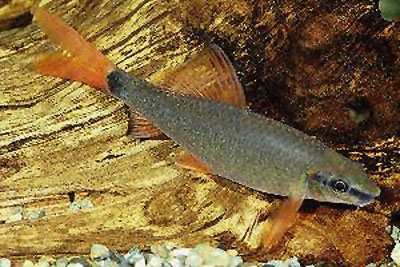
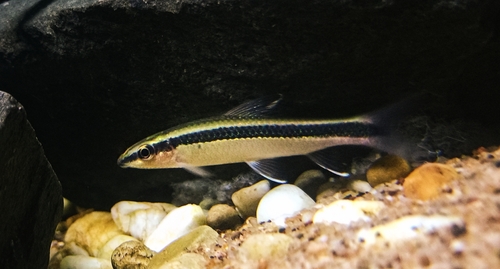
Same genus Epalzeorhynchos
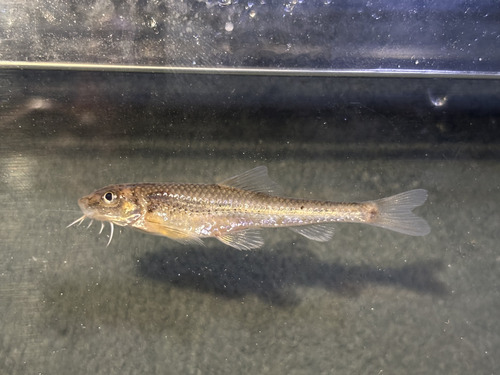
More from the family Cyprinidae


Download Fin's Fish Guide
Identify fish in seconds, log your catches and dives. Join the TestFlight beta.