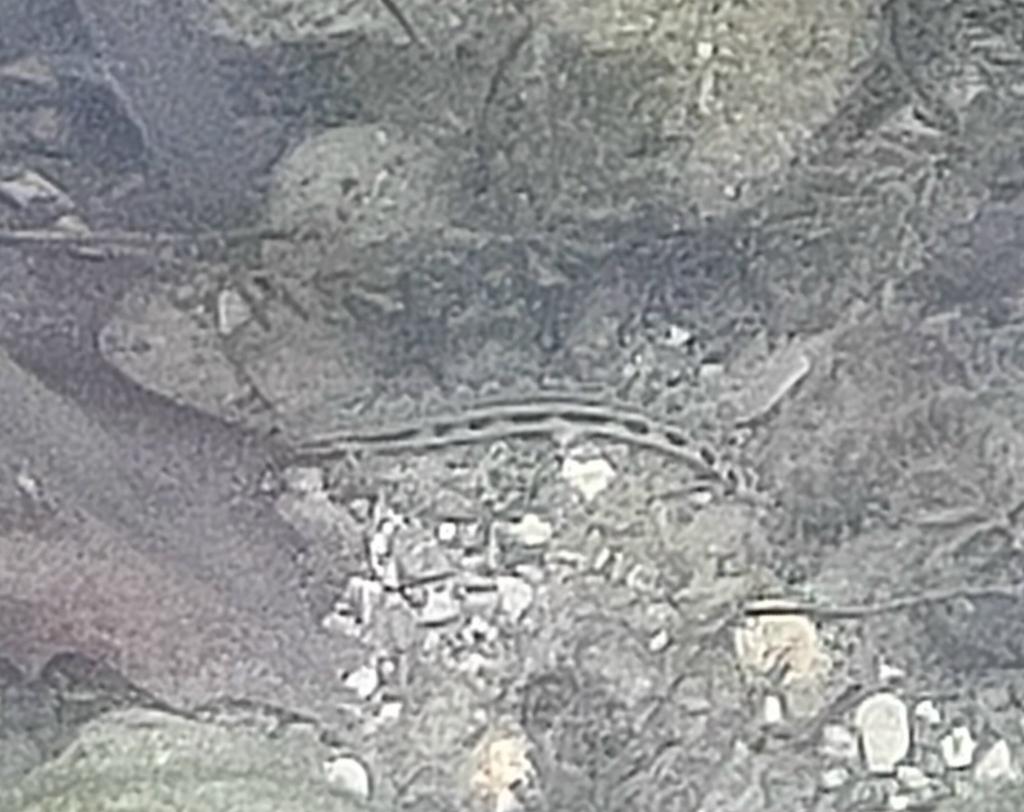
The Balkan loach (Cobitis elongata) is a freshwater fish of the family Cobitidae that grows up to 13 cm.
Description
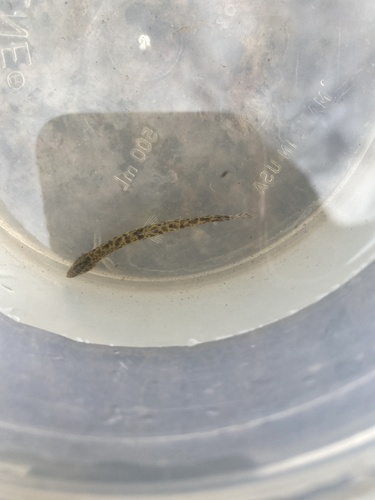
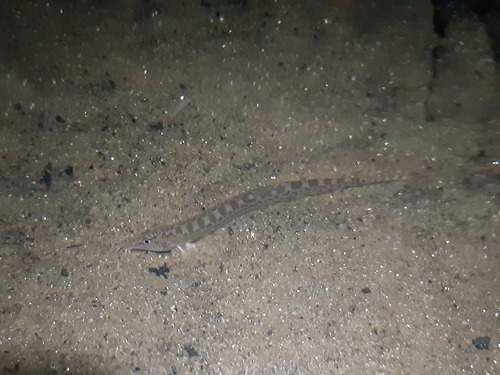
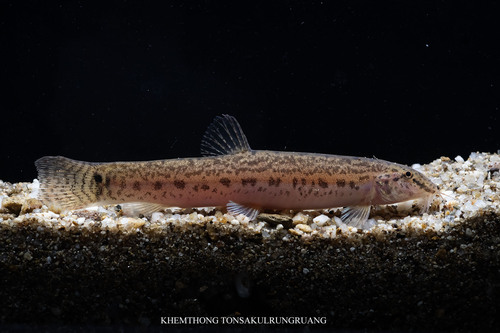
The Balkan loach is a particularly slender, elongate loach of the family Cobitidae reaching about 13 cm. The yellow-brown body bears rows of small dark spots; barbels surround the inferior mouth, and beneath each eye sits a small, erectile spine, characteristic of the true spined loaches. The species is adapted to flowing water and lives on gravel and sand bottoms of rivers in the Danube drainage of the Balkan Peninsula. By day it often lies half-buried among the grains; mainly at night it sifts insect larvae, small crustaceans and worms from the bottom. In spring it spawns among gravel and water plants. Because of its small size and hidden lifestyle it is rarely noticed and has no fishery importance.
Frequently asked questions
How do you recognise the Balkan loach?
The Balkan loach has an elongate, eel-like body, is mainly yellow-gold and shows a spots pattern.
Where does the Balkan loach live?
The Balkan loach lives in fresh water and is mostly found around sand or mud bottom.
How big does the Balkan loach get?
The Balkan loach grows to a maximum of about 13 cm.
Is the Balkan loach dangerous to humans?
No, the Balkan loach is harmless to humans.
Is the Balkan loach edible?
The Balkan loach is not usually eaten.
Download Fin's Fish Guide
Identify fish in seconds, log your catches and dives. Join the TestFlight beta.
All data
Identification
Appearance
Habitat & distribution
Behaviour & biology
For anglers
Safety
Status & sources
Same genus Cobitis
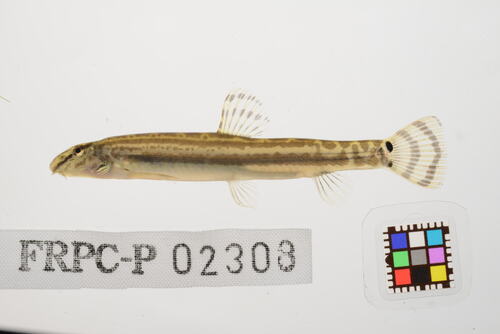
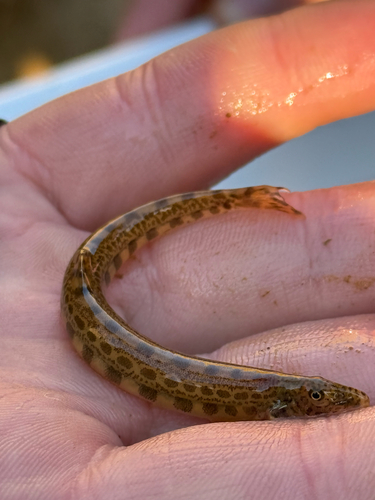
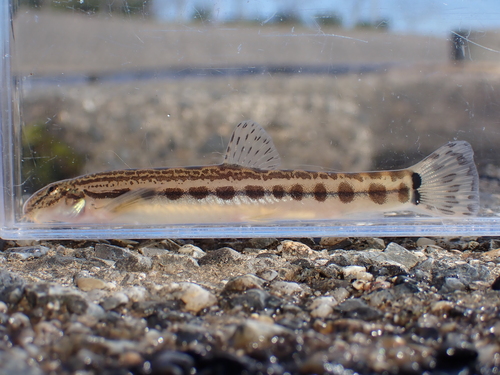

More from the family Cobitidae


Download Fin's Fish Guide
Identify fish in seconds, log your catches and dives. Join the TestFlight beta.