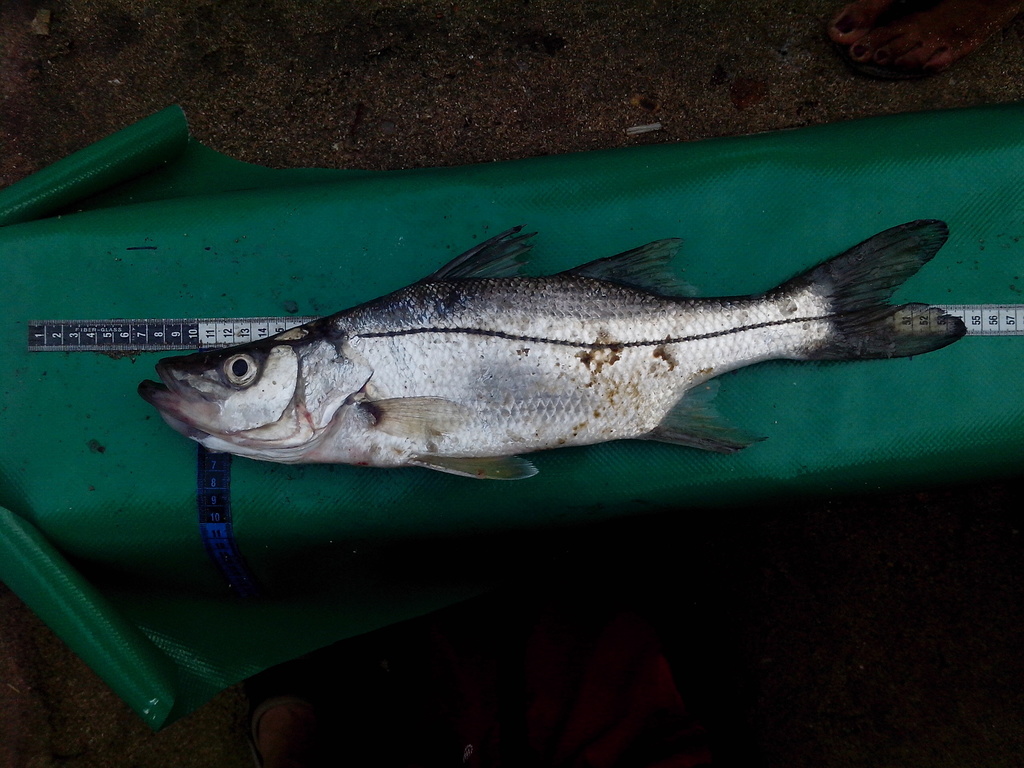
The Black snook (Centropomus nigrescens) is a fish that lives in both fresh and salt water of the family Centropomidae that grows up to 123 cm.
Description
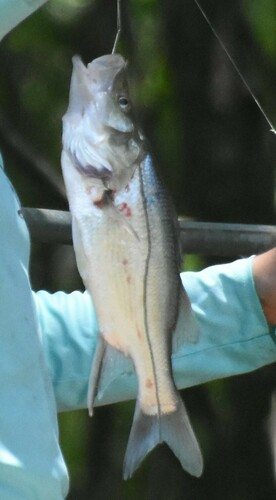
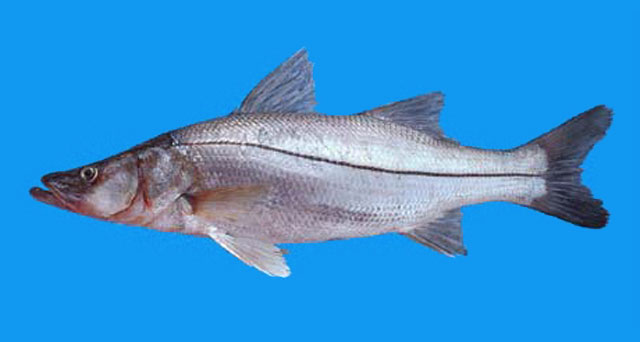
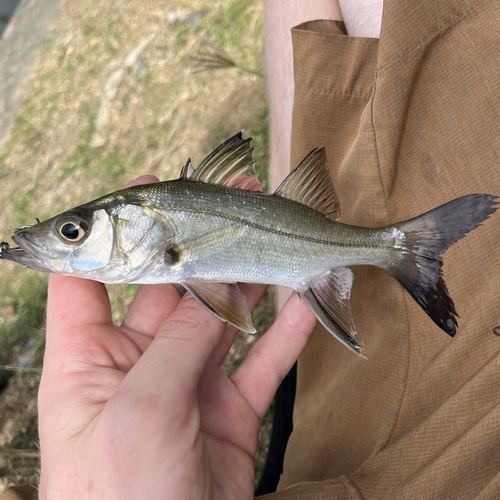
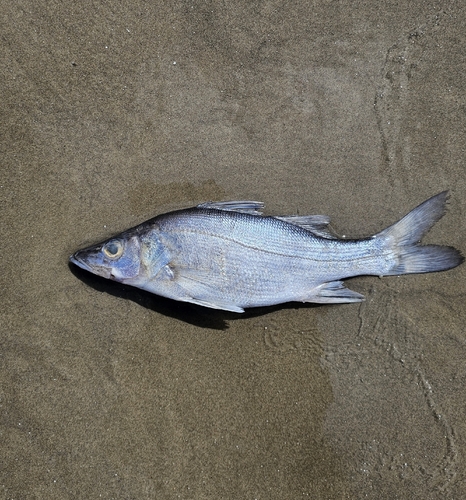
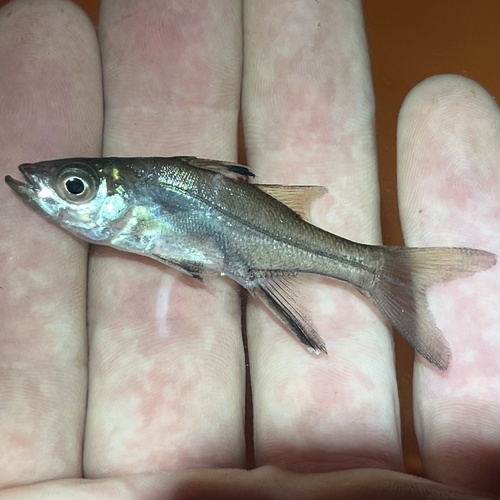
The black snook is a snook (Centropomidae) from coastal, brackish and estuarine water of the eastern Pacific, from Mexico to Peru. The species grows to about 1.2 metres and has an elongate, silvery body with a dark back, a pointed head, a projecting lower jaw and a conspicuously black lateral line. As a predator it hunts fish and crustaceans in mangroves, river mouths and surf. It is a famed sport fish. The fish is harmless to humans.
Frequently asked questions
How do you recognise the Black snook?
The Black snook has a torpedo-shaped body and is mainly silver-grey.
Where does the Black snook live?
The Black snook lives in both fresh and salt water and is mostly found around sand or mud bottom.
How big does the Black snook get?
The Black snook grows to a maximum of about 123 cm. On average the species is around 45 cm.
Is the Black snook dangerous to humans?
No, the Black snook is harmless to humans.
Is the Black snook edible?
Yes, the Black snook is commonly eaten.
Download Fin's Fish Guide
Identify fish in seconds, log your catches and dives. Join the TestFlight beta.
All data
Identification
Appearance
Habitat & distribution
Behaviour & biology
For anglers
Safety
Status & sources
Same genus Centropomus
More from the family Centropomidae
Download Fin's Fish Guide
Identify fish in seconds, log your catches and dives. Join the TestFlight beta.